

Roof pitch is one of those things most homeowners never think about — until something goes wrong. A leak, a sagging gutter, water pooling where it shouldn’t. At Done Right Roof And Gutters, we get asked all the time: what is the GOLDEN RULE for roof pitch, and why does it matter so much? It’s a fair question, and honestly, the answer affects everything from how your roof sheds water to how well your gutters perform.
In this guide, we’ll break down the golden rule for roof pitch in plain English. We’ll cover how to calculate it, the standard pitch ranges, and the common mistakes we see across Magnolia and beyond. Let’s get into it.
What Is the Golden Rule for Roof Pitch?
The golden rule for roof pitch is simple: your roof should be steep enough to drain water effectively but not so steep that it creates unnecessary cost or safety risks. In practical terms, most experts agree that a roof should have a MINIMUM pitch that allows water and debris to slide off naturally — typically a slope of at least 2:12 for most roofing materials. Anything flatter needs special waterproofing.
Think of it this way — the right pitch balances drainage, durability, and design. Too flat and water sits and seeps. Too steep and you’re paying more for materials, labor, and maintenance. The golden rule keeps you in that sweet spot.
- Drainage first — water must always have somewhere to go (standing water is the enemy).
- Match the material — asphalt shingles, metal, and tile each have minimum pitch requirements.
- Account for climate — heavy rain or snow areas need steeper slopes.
- Balance cost and function — steeper roofs cost more but shed water faster.
- Don’t ignore the gutters — pitch directly affects how water hits your gutter system.
How to Calculate Roof Pitch Using the Golden Rule
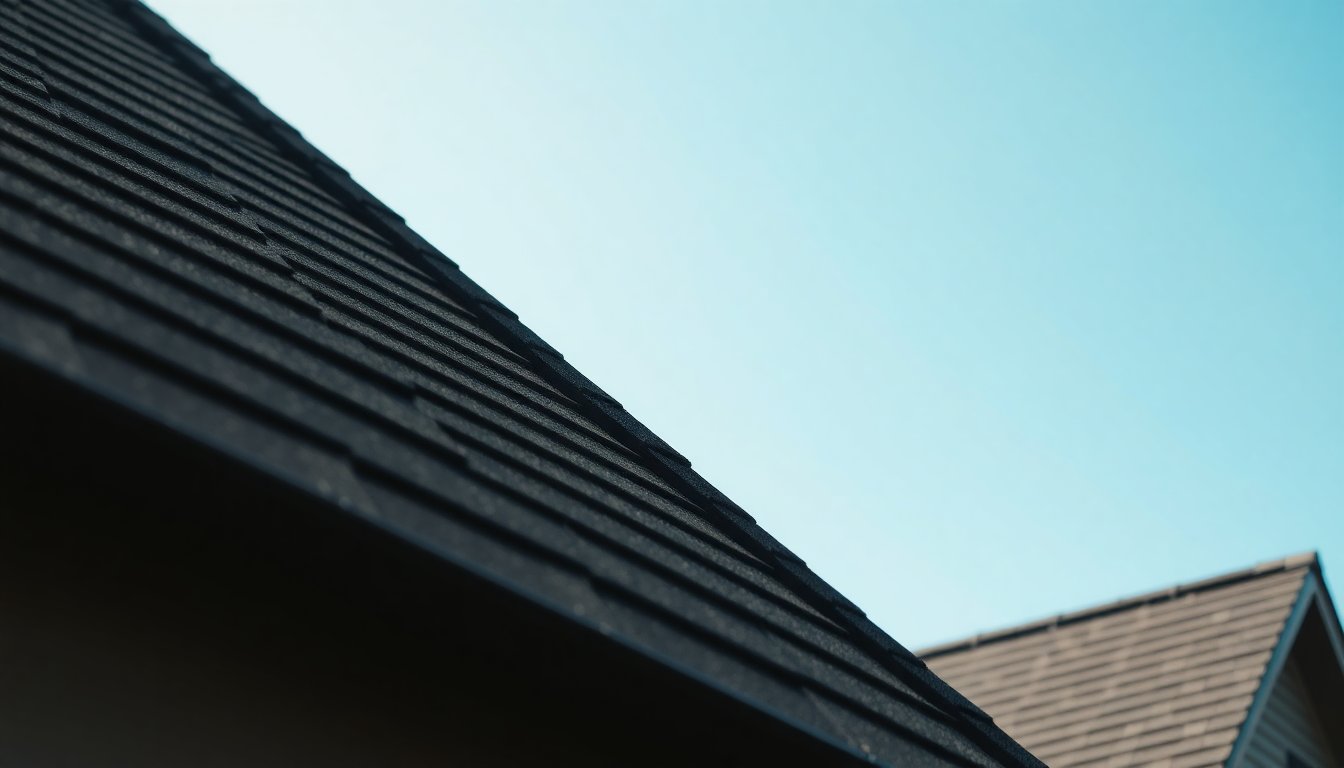
Calculating roof pitch sounds intimidating, but it’s actually pretty straightforward. Pitch is expressed as a ratio — the vertical RISE over a horizontal RUN of 12 inches. So a “6:12” pitch means the roof rises 6 inches for every 12 inches it runs horizontally. Here’s how you can measure it yourself (carefully — safety first).
- Grab a level (a 12-inch one works best), a tape measure, and a pencil.
- Place the level horizontally against the roof surface or rafter so it’s perfectly level.
- Measure 12 inches out from where the level touches the roof — mark that spot.
- From that 12-inch mark, measure STRAIGHT DOWN to the roof surface (this is your rise).
- Write your result as rise over run — for example, if you measured 5 inches down, your pitch is 5:12.
- Double-check by measuring in a second spot to confirm consistency.
If climbing on your roof isn’t your thing (and we don’t blame you), professionals can measure pitch from the attic using the rafters — no ladder gymnastics required. When you’re planning a new roof or upgrading your drainage, knowing your pitch helps us recommend the right gutter installation approach that actually matches how your roof sheds water.
What Are the Standard Roof Pitch Ranges?
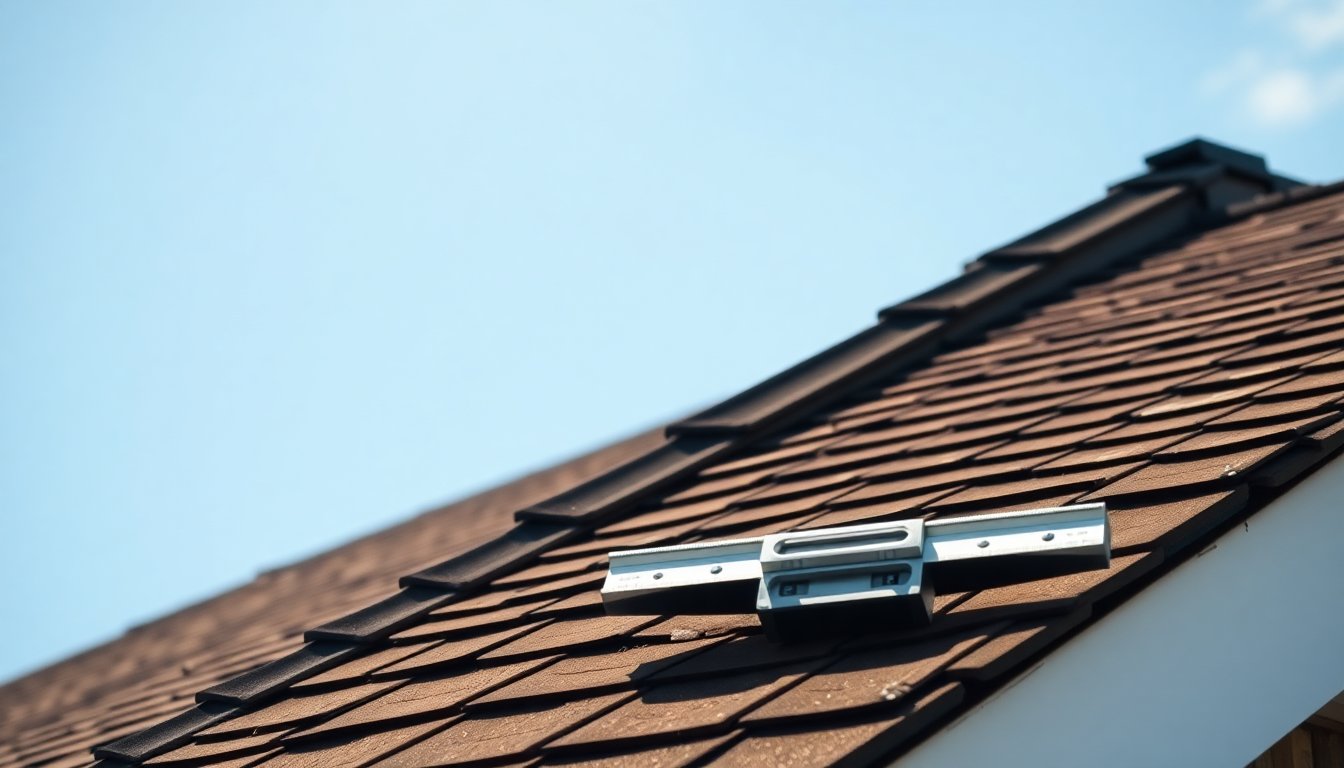
Not all roofs are created equal — and pitch ranges vary depending on the architectural style and roofing material. Below we’ve broken down the common categories so you can see where your home likely falls.
Flat Roofs (Less Than 2:12)
These aren’t truly “flat” — they have a slight slope for drainage. They’re common on modern and commercial buildings. The catch? They REQUIRE special membrane materials and meticulous waterproofing because water drains slowly.
Low-Slope Roofs (2:12 to 4:12)
This is a popular range for many homes. Low-slope roofs need careful material selection — standard shingles may not be enough without extra underlayment. They’re cost-effective but demand attention to detail.
Conventional or Medium Pitch (4:12 to 9:12)
The MOST common range for residential homes. This pitch sheds water and debris well, works with almost any roofing material, and is generally safe to walk on for repairs. It’s the “Goldilocks zone” for many homeowners.
Steep-Slope Roofs (Greater Than 9:12)
Think dramatic Victorians, chalets, and high-end custom builds. These roofs drain incredibly fast and look striking — but they cost more to install and maintain, and they require safety equipment for any work.
Why Does Roof Pitch Matter for Your Home?
Roof pitch isn’t just a technical detail — it impacts your home in real, daily ways. Here’s why it deserves your attention.
Water Drainage and Leak Prevention
This is the big one. A proper pitch ensures water flows OFF your roof instead of pooling. Standing water eventually finds its way through seams and shingles — and that leads to leaks, rot, and expensive repairs. The steeper the pitch (within reason), the faster water clears.
Gutter Performance
Your roof and gutters work as a TEAM. Pitch determines how fast and how hard water hits your gutters. If your pitch and gutter setup don’t match, you’ll get overflow, splashing, and erosion. That’s why we always evaluate pitch before recommending the full range of roofing and gutter services for a home.
Material Lifespan
Pitch affects how long your roofing materials last. On flatter roofs, materials are exposed to standing water and UV for longer — wearing them down faster. Proper pitch helps your roof age gracefully.
Energy Efficiency and Attic Space
Believe it or not, pitch influences attic ventilation and usable space. Steeper roofs create more attic room and can improve airflow, which helps regulate temperature throughout your home.
Curb Appeal and Home Value
Pitch shapes the entire look of your home. A well-proportioned roofline boosts curb appeal and resale value — while a mismatched or sagging roof can drag it down.
How to Choose the Right Roof Pitch for Your Climate
Here in the Greater Houston area — Magnolia, Tomball, The Woodlands, and surrounding communities — we deal with HEAVY rain, humidity, and the occasional storm. Your climate should be a major factor in choosing roof pitch. A pitch that works great in a dry desert might fail miserably where we get torrential downpours.
When you’re weighing your options, keep these climate factors in mind:
- Heavy rainfall regions — go steeper (6:12 or more) so water clears fast and doesn’t linger.
- High humidity areas — proper pitch reduces moisture retention and mold risk (a big deal in our area).
- Snowy climates — steeper roofs shed snow before it accumulates and adds dangerous weight.
- High-wind zones — moderate pitches often handle wind uplift better than very steep ones.
- Hot, sunny climates — pitch combined with ventilation helps manage attic heat.
For most homes in our service area, a medium pitch paired with a quality drainage system is the winning combo. If you’re upgrading, pairing the right pitch with seamless gutters gives you reliable water management with fewer leak points to worry about.
Common Roof Pitch Mistakes to Avoid
Over the years, we’ve seen plenty of roof pitch blunders — some from DIY enthusiasts, some from contractors who cut corners. Avoiding these mistakes saves you money and headaches down the road.
- Using the wrong material for the pitch — slapping standard shingles on a low-slope roof is asking for leaks.
- Ignoring drainage requirements — a beautiful roof means nothing if water pools (it WILL find a way in).
- Forgetting about gutters — your gutters must match the volume and speed of water your pitch produces.
- Going too flat to save money — flatter roofs may seem cheaper upfront but cost more in maintenance.
- Mismatching pitch with home style — a roofline that clashes with the architecture hurts curb appeal.
- Skipping professional measurement — guessing your pitch leads to wrong materials and poor results.
- Neglecting ventilation — pitch affects airflow, and ignoring it can trap heat and moisture.
Most of these mistakes are completely avoidable with a little planning and the right team. When pitch, materials, and drainage all work together, your roof performs the way it should — for DECADES.
Conclusion
The golden rule for roof pitch boils down to one idea: your roof needs enough slope to drain water efficiently while balancing cost, materials, and design. Whether you’ve got a low-slope modern home or a steep traditional roofline, getting the pitch right protects your home from leaks, extends your roof’s life, and keeps your gutters working as they should.
If you’re in Magnolia, Tomball, The Woodlands, or anywhere across our service area and you’re not sure your roof pitch and drainage are up to par — let the team at Done Right Roof And Gutters take a look. We’ll help you get it DONE RIGHT, the first time.


