

When it comes to gutter installation, one of the most overlooked details is exactly how far below the roofline your gutters should sit. Get it wrong, and you’ll deal with overflow, ice damage (yes, even in Texas heat some seasons surprise us), and water pouring behind the fascia. At Done Right Roof And Gutters, we’ve installed and repaired thousands of feet of gutter across Magnolia and the surrounding areas—and we know this small measurement makes a HUGE difference.
So how far below the roofline should gutters be installed? The short answer is usually about half an inch to one inch below the roof’s edge—but there’s more to it than a single number. Let’s break down everything you need to know.
What Is the Ideal Distance Between Gutters and the Roofline?
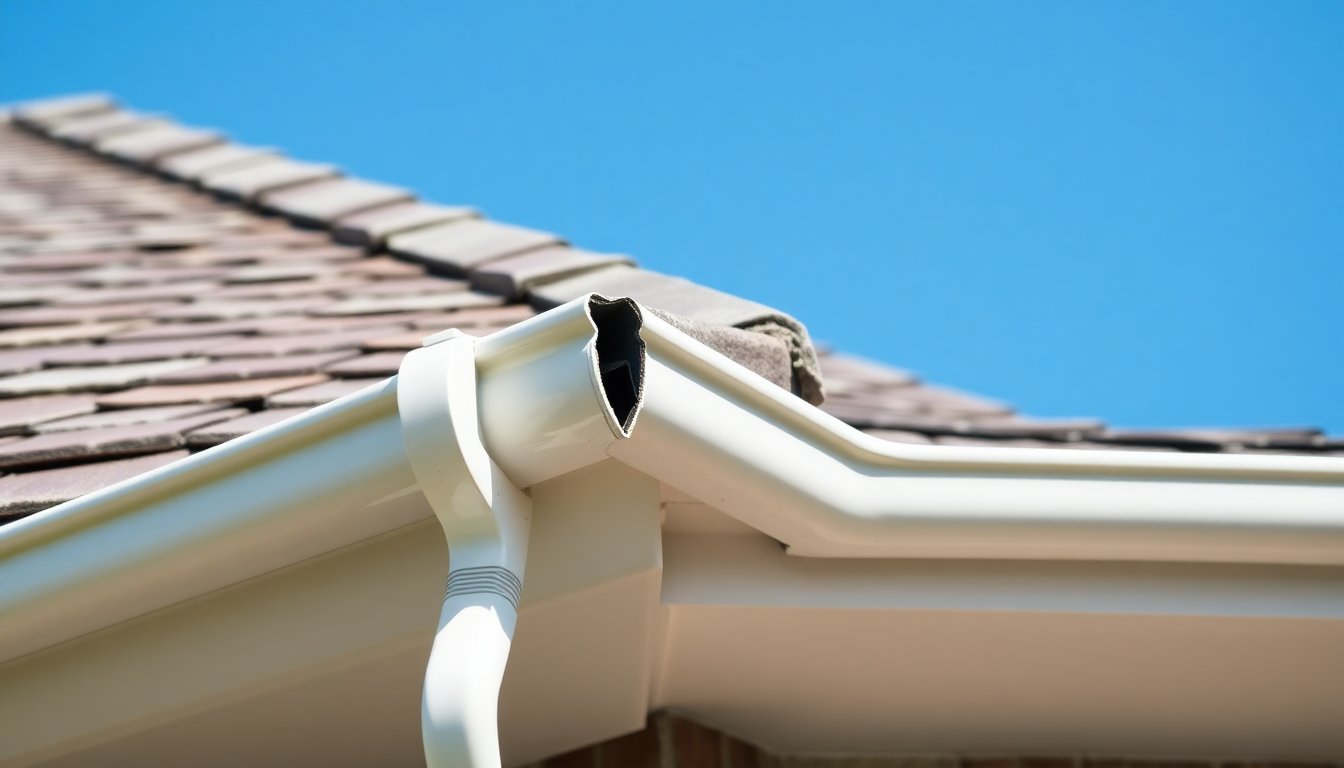
The ideal gap between the top of your gutter and the bottom edge of your roofline is generally 1/2 inch to 1 inch. This spacing allows rainwater to shed off the shingles and fall directly INTO the gutter—not behind it. If gutters sit too high, water can back up under the shingles. Too low, and rain overshoots the trough entirely (especially during those heavy Gulf Coast downpours we all know too well).
Here’s what the correct positioning accomplishes:
- Catches runoff cleanly — water drips off the shingle edge right into the channel.
- Protects the fascia board — no water sneaking behind the gutter to rot the wood.
- Prevents shingle backflow — gutters positioned slightly below keep water from wicking up under the roof.
- Maintains proper slope — the gap leaves room to angle gutters toward downspouts.
- Reduces overflow risk — a well-placed gutter handles peak rainfall without spilling.
Keep in mind, the exact number can shift depending on your roof type, drip edge, and shingle overhang. That’s where experience matters. If you want the job done to spec, our team handles precise professional gutter installation tailored to each home’s roofline.
How Roof Pitch Affects Gutter Placement Below the Roofline
Roof pitch (the steepness of your roof) plays a bigger role than most homeowners realize. Water travels FAST down a steep roof, and slow across a shallow one. That velocity changes where the water lands—and where your gutters need to be.
Steep Roofs (High Pitch)
On steep roofs, water rushes off with momentum. It shoots outward before dropping. That means your gutters may need to sit slightly farther out from the fascia (and sometimes a touch lower) to catch the arc of the water. Gutter guards or a wider trough can help capture that fast-moving flow.
Shallow Roofs (Low Pitch)
Low-pitch roofs move water slowly. It tends to hug the shingles and drip almost straight down. Here, gutters can sit closer to the fascia and near that standard 1/2-inch gap. The main concern on shallow roofs is standing water and slow drainage—so slope matters even more.
Standard Pitch
Most homes fall into a moderate pitch range. The classic 1/2 to 1 inch below the drip edge works beautifully. This is the sweet spot where installation is straightforward and overflow issues are rare (assuming the slope and downspouts are correct).
Why This Matters
Ignoring pitch is one of the most common reasons gutters underperform. A one-size-fits-all install just doesn’t cut it. We evaluate each roof individually before mounting a single bracket—because your Cypress home and your neighbor’s Tomball home might need different setups.
Why Proper Gutter Positioning Matters for Water Drainage
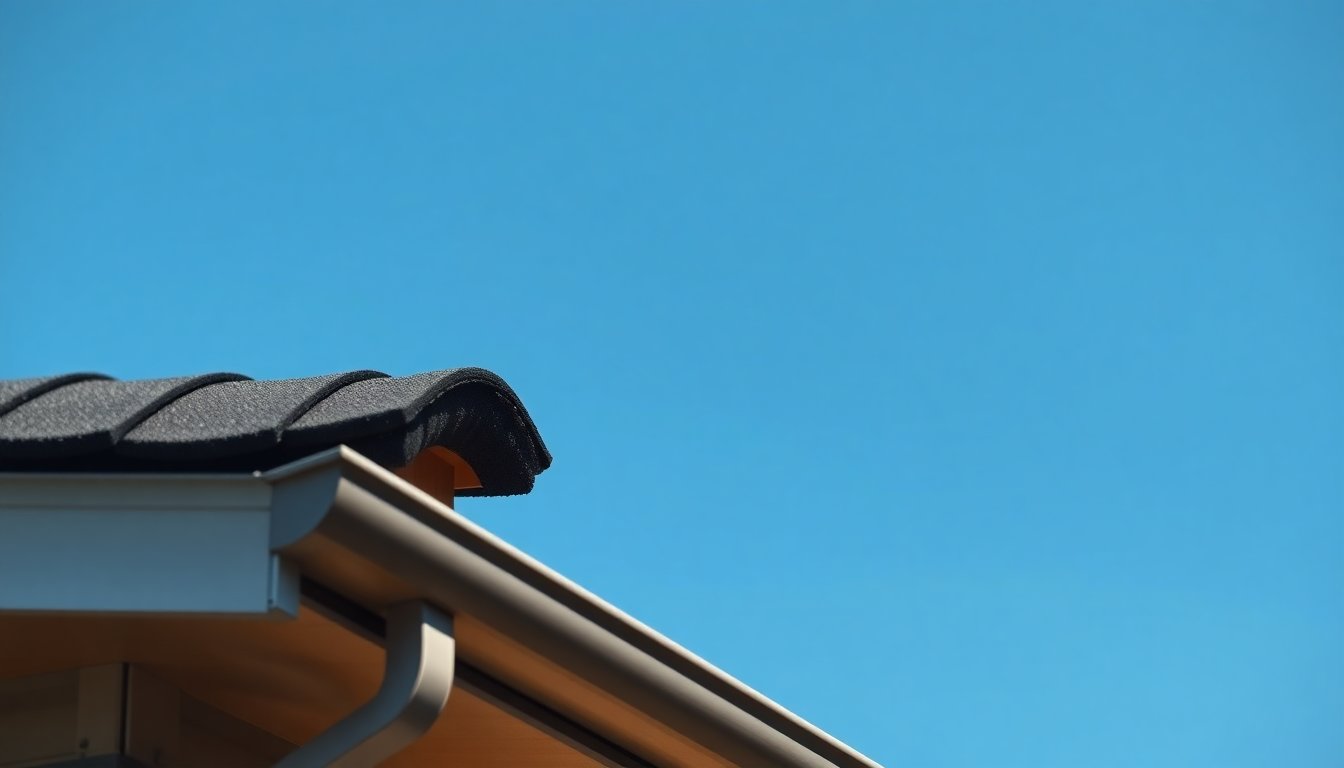
Gutters aren’t just decorative trim—they’re your home’s first line of defense against water damage. When they sit at the wrong height below the roofline, everything downstream suffers. Foundation, siding, landscaping, basement (if you’ve got one)—all at risk. Proper positioning keeps water moving where it should.
- Protects your foundation. Correctly placed gutters channel water away, preventing pooling that can crack or shift your foundation over time.
- Prevents fascia and soffit rot. When water falls behind a poorly placed gutter, it soaks the wood—leading to expensive repairs.
- Stops basement and crawlspace flooding. Water directed properly away from the home keeps moisture out of the lower levels.
- Preserves landscaping. Overflowing gutters dump water in concentrated spots, washing away mulch, soil, and plants.
- Reduces mold and mildew. Dry exterior walls mean fewer moisture problems inside your home.
- Extends roof life. Water backing up under shingles shortens the lifespan of your entire roof system.
If your current gutters are sagging, leaking, or dumping water where they shouldn’t, positioning is often the culprit. Our gutter repair services can correct alignment issues and restore proper drainage fast.
How to Measure and Set the Correct Gutter Slope
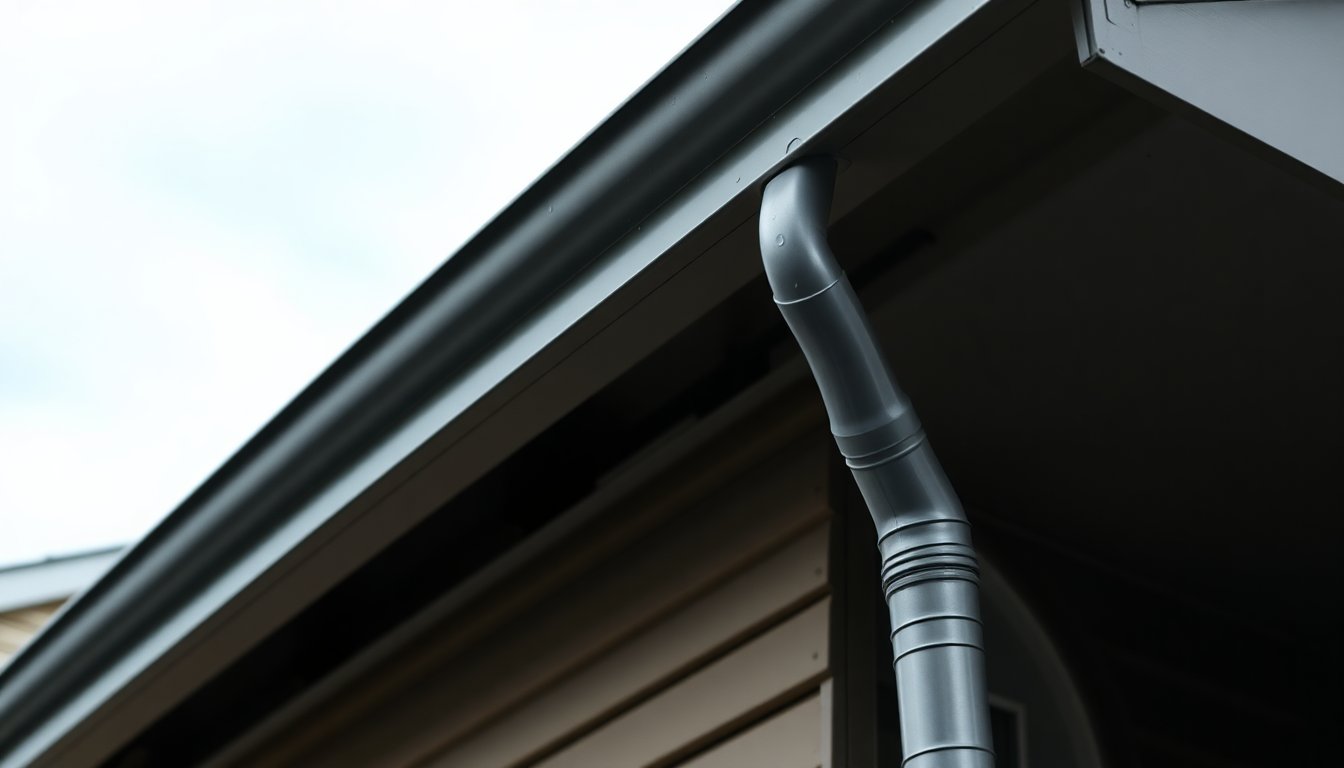
Positioning below the roofline is only half the equation—slope is the other. Gutters need a slight downward angle toward the downspouts so water actually FLOWS instead of sitting stagnant. The standard slope is about 1/4 inch for every 10 feet of gutter. Here’s how the process works.
- Mark the high point. Start at the end farthest from the downspout. Make a chalk mark about 1/2 to 1 inch below the drip edge.
- Calculate the drop. Measure the total gutter run. For every 10 feet, plan a 1/4-inch drop toward the downspout end.
- Snap a slope line. Use a chalk line from your high point to the low point to guide bracket placement.
- Install the brackets. Fasten hangers along the slope line, spacing them about every 24 to 36 inches for solid support.
- Test the flow. Run water through the gutter with a hose. Watch for pooling or overshoot—adjust as needed.
- Secure the downspouts. Make sure they carry water at least 4 to 6 feet away from the foundation.
Getting the slope right is finicky work. Too much and it looks crooked; too little and water sits and breeds mosquitoes. For homes that need long, straight runs, our seamless gutter systems minimize joints and keep water flowing smoothly the whole way down.
Common Mistakes When Installing Gutters Below the Roofline
We’ve seen it all—especially on DIY jobs or work done by less experienced crews. These mistakes lead to overflow, rot, and headaches down the road. Avoid them, and your gutters will last for YEARS.
- Mounting gutters too high. When gutters touch or crowd the drip edge, water backs up under the shingles instead of flowing off.
- Mounting gutters too low. Set too far below, and fast runoff simply overshoots the gutter during heavy rain.
- Ignoring roof pitch. Using the same placement on every roof (regardless of steepness) causes catch-and-miss problems.
- Skipping the drip edge. Without a proper drip edge, water wicks behind the gutter and rots the fascia.
- Insufficient slope. Flat or reverse-sloped gutters hold standing water—leading to sagging and rust.
- Too few hangers. Spacing brackets too far apart causes the gutter to sag and hold water in the middle.
- Wrong downspout placement. Too few downspouts (or poorly located ones) overwhelm the system in a storm.
- Forgetting expansion gaps. Metal gutters expand and contract—no room to move means warping and leaks.
Most of these come down to rushing the job or guessing on measurements. A careful, methodical install prevents nearly all of them.
Should You Hire a Professional or Install Gutters Yourself?
This is the big question. Some homeowners love a weekend project, and gutter installation CAN be a DIY task—if you’ve got the right tools, ladders, and patience. But there’s a reason so many folks call in the pros. Let’s weigh it out.
When DIY Might Work
If you have a single-story home, a simple roofline, and comfort working on ladders, a DIY install is doable. You’ll need a level, chalk line, drill, and a helper (never do gutters alone—safety first). Sectional gutter kits from the hardware store are designed for homeowner use. Just be honest about your skill level.
When to Call a Professional
Multi-story homes, steep pitches, complex rooflines, or seamless gutter runs? That’s professional territory. Seamless gutters require specialized on-site fabrication equipment—not something you can rent for a Saturday. Pros also know how to read pitch, set precise slope, and position gutters exactly below the roofline for your specific home.
The Cost of Getting It Wrong
Here’s the thing—a bad gutter install often costs MORE in the long run. Water damage to fascia, foundation, or siding adds up quick. Redoing a botched job means paying twice. Professional installation gets it right the first time, with proper materials and a warranty behind the work.
Our Recommendation
For most homeowners across Magnolia, The Woodlands, Spring, and beyond, hiring a professional is the smart move. You get accurate placement, correct slope, and peace of mind. And if you ever have an issue, help is a call away—no guesswork required.
Conclusion
So, how far below the roofline should gutters be installed? Generally 1/2 to 1 inch below the drip edge—but roof pitch, slope, and drip edge all factor in. Proper positioning protects your foundation, fascia, and roof while keeping water flowing exactly where it should. Skip the common mistakes, mind the slope, and don’t underestimate the value of an expert eye.
At Done Right Roof And Gutters, we handle installation, fabrication, replacement, repairs, and cleaning across Magnolia and the surrounding communities. If your gutters aren’t sitting right—or you’re planning a new system—reach out to our team and let’s get your home protected the RIGHT way.


