

Every spring, homeowners across Magnolia and The Woodlands ask us the same question: is home roof repair tax deductible? It is a fair question. Roof work is not cheap, and if there is any way to recover some of that cost at tax time, you want to know about it. The short answer is that it depends on how you use your home and what kind of work was done.
At Done Right Roof And Gutters, we fix roofs and gutters all year long, so we hear these tax questions constantly. This 2026 guide breaks down when roof repairs can lower your tax bill, when they cannot, and what records you need to keep. Let us walk through it together.
Is Roof Repair Tax Deductible for Your Primary Residence?
Here is the honest truth for most people. If you are repairing the roof on your PRIMARY home, the cost is generally NOT tax deductible in the year you pay for it. The IRS treats routine home repairs on a personal residence as a personal expense. That means patching a leak, replacing a few shingles, or fixing storm damage usually does not give you a deduction right away.
But that is not the whole story. There are situations where roof work still matters for taxes. Keep these points in mind:
- Personal home repairs are not deductible the year you make them.
- Home improvements can raise your cost basis, which may reduce capital gains tax when you sell.
- Casualty losses from a federally declared disaster may be deductible in certain cases.
- Energy-efficient upgrades can qualify for federal tax credits, which are different from deductions.
- Rental or home office use changes the rules completely, and often in your favor.
So while the plain answer for a primary residence is usually no, the details around how you use your property can open some doors. That is why it pays to understand the difference between a repair and a full replacement.
Roof Repair vs. Roof Replacement: What’s the Tax Difference?
The IRS draws a line between a REPAIR and an IMPROVEMENT. A repair keeps your roof in working order. An improvement adds value, extends the life of the roof, or upgrades it in a meaningful way. This difference matters a lot for taxes, especially for rental properties and home offices.
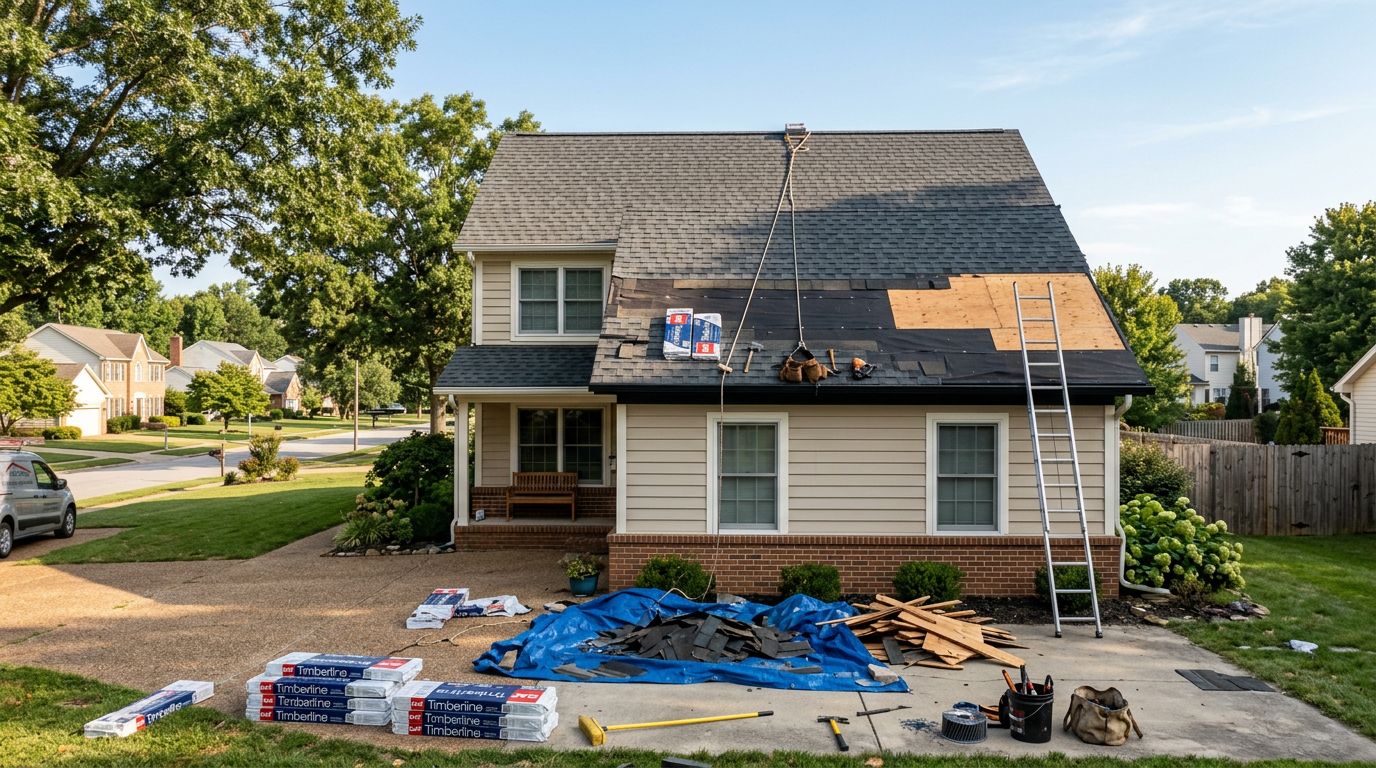
A repair is often expensed, meaning it can be deducted in full for business or rental use in the same year. An improvement, like a full roof replacement, is usually capitalized and depreciated over many years. For your personal home, an improvement adds to your cost basis. If you are not sure which category your project falls into, our team can explain the scope during a visit. You can also review our full list of roofing and gutter services to see what counts as a targeted repair.
| Factor | Roof Repair | Roof Replacement |
|---|---|---|
| Purpose | Keeps the roof functioning | Adds value or extends life |
| Tax treatment (personal home) | Not deductible | Adds to cost basis |
| Tax treatment (rental/business) | Often fully deductible same year | Depreciated over time |
| Typical cost | Lower | Higher |
| Example | Patching a leak, replacing shingles | New roof over the whole house |
Bottom line: repairs and replacements are treated differently, and how you use the property decides which rules apply. Getting the classification right can save you real money.
When Roof Repairs Qualify as Tax Deductible
There are specific situations where roof repairs move from non-deductible to deductible. Here are the most common ones we see with our clients across Tomball, Cypress, and Spring.
Repairs on a Rental Property
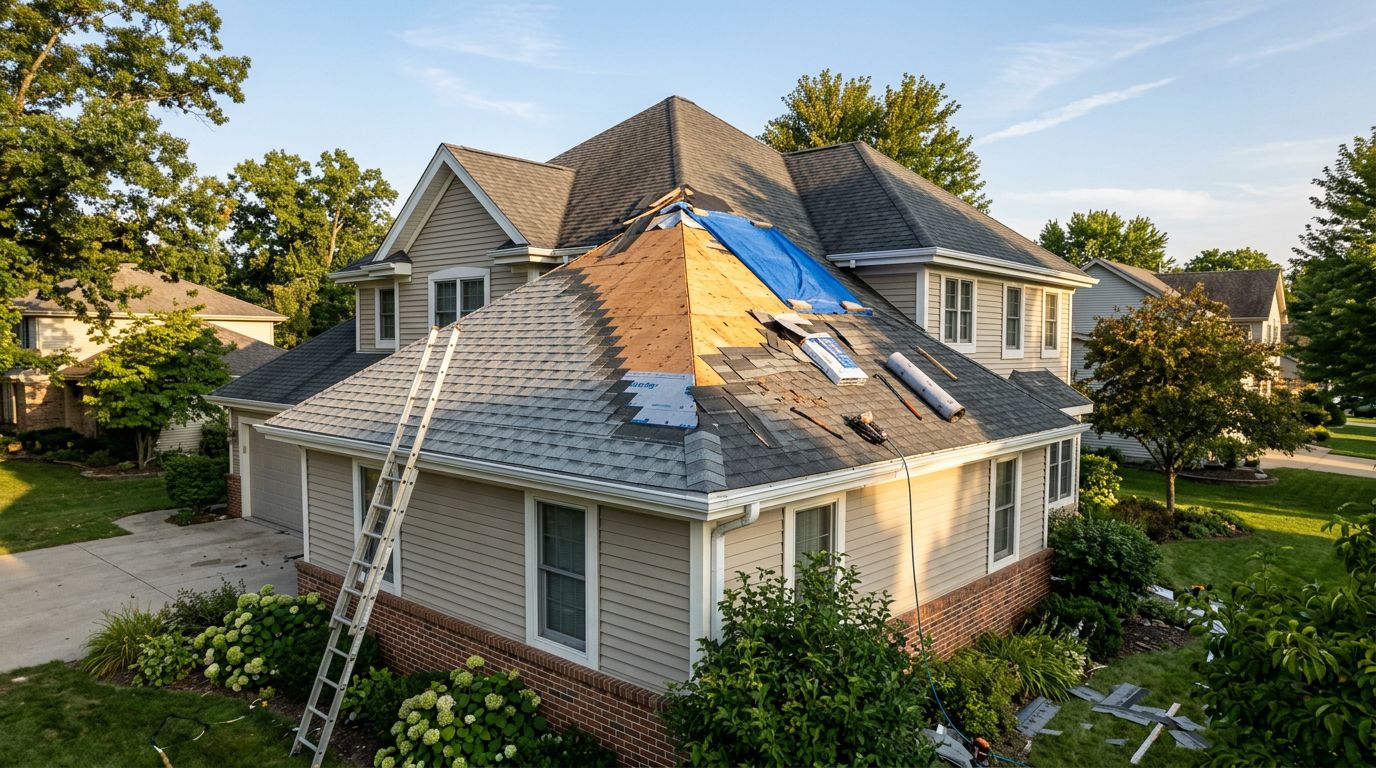
If you own a rental home, roof repairs are considered a business expense. That means fixing a leak, replacing damaged shingles, or repairing storm damage on your rental can usually be deducted in full for the year. This is one of the biggest tax advantages for landlords.
Repairs Tied to a Home Office
If you use part of your home regularly and exclusively for business, you may be able to deduct a percentage of your roof repair. The deduction is based on the square footage of your office compared to the whole house. So a portion of that roof work can count as a business expense.
Casualty Loss From a Declared Disaster
When a hurricane or major storm hits and the area is declared a federal disaster zone, roof damage may qualify as a casualty loss. This is not automatic, and there are limits, but it is worth exploring if a big storm damaged your property.
Repairs That Are Part of a Larger Improvement
Sometimes a repair is bundled into a bigger improvement project. In that case, the whole thing may be treated as a capital improvement and added to your cost basis. This can lower your capital gains tax later when you sell.
Medical-Related Modifications
In rare cases, roof or structural work needed for medical reasons may be partly deductible as a medical expense. This is uncommon for roofing but worth knowing exists.
How to Claim Roof Repair Deductions for Rental or Home Office Use
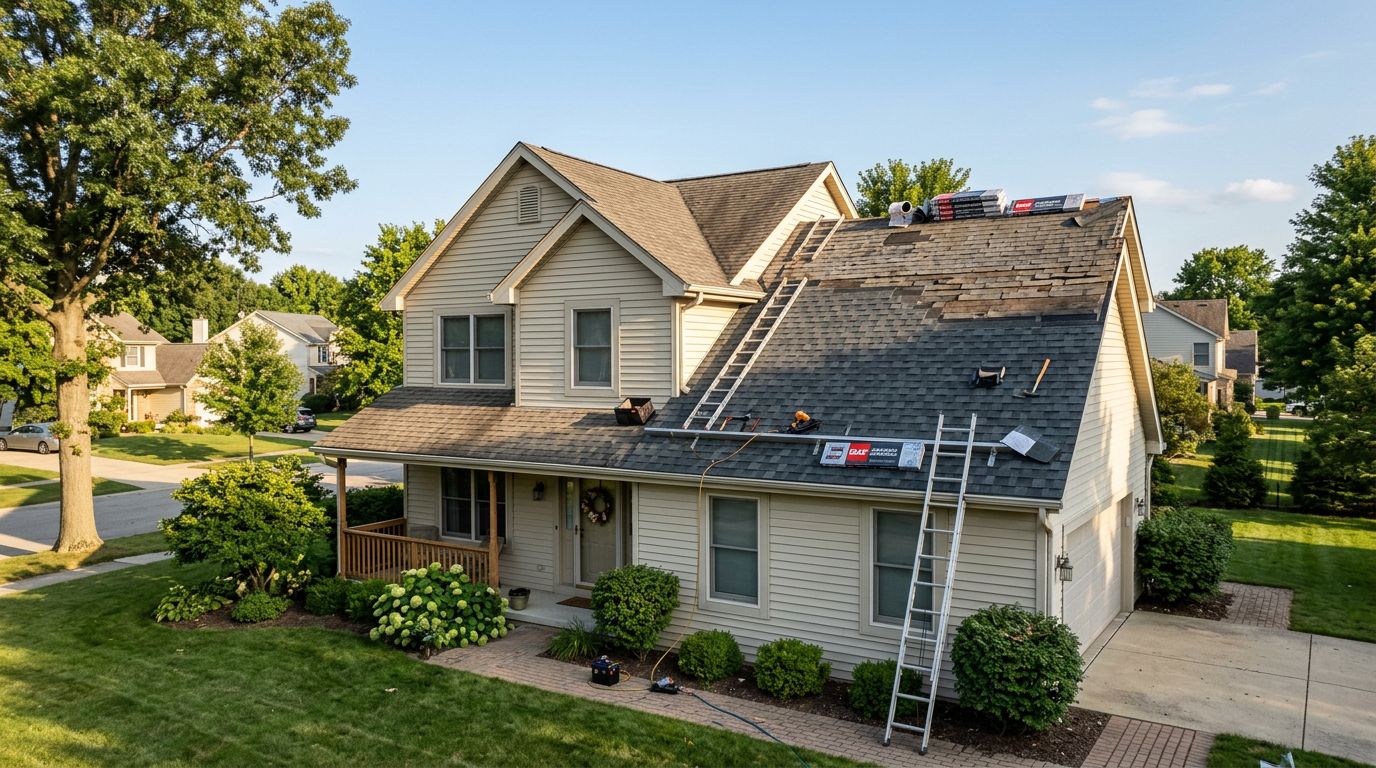
If your roof repair qualifies through a rental property or home office, claiming the deduction takes a few careful steps. You want to do this the right way so it holds up if the IRS ever asks questions. Small maintenance items like keeping your gutters clear also count, and you can pair roof work with professional gutter repairs to protect the whole system on a rental. Here is how to approach the process.
- Confirm the property use. Make sure the roof repair is on a rental unit or on a home office that you use regularly and exclusively for business.
- Separate repairs from improvements. Decide whether the work was a simple repair or a larger improvement. Repairs are expensed. Improvements are depreciated.
- Calculate your business percentage. For a home office, figure out what portion of your home is used for business. That percentage applies to the repair cost.
- Gather your invoices. Keep the itemized invoice from your roofer showing the date, cost, and scope of work.
- Report it on the correct form. Rental expenses usually go on Schedule E. Home office deductions go on Form 8829. A tax professional can confirm the right spot.
- Depreciate replacements properly. If the work was a full replacement, spread the deduction over the required recovery period rather than taking it all at once.
- Keep everything on file. Store all records for at least several years in case of an audit.
Doing these steps in order keeps your deduction clean and defensible. When in doubt, always run it by a qualified tax preparer.
Energy-Efficient Roof Tax Credits Available in 2026
Tax CREDITS are different from deductions, and often better. A credit reduces your tax bill dollar for dollar. In 2026, certain energy-efficient roofing choices may still qualify for federal incentives, though the specific programs and amounts can change from year to year. If you are planning roof work, it is smart to ask your contractor which materials might qualify. Our roofing experts serving Magnolia and nearby areas can point you toward energy-smart options.
- Reflective or cool roofing materials that reduce heat absorption may qualify for energy credits.
- Solar-integrated roofing can tie into the federal residential clean energy credit.
- Energy-efficient shingles that meet ENERGY STAR standards sometimes count.
- Added insulation or ventilation done alongside roof work may qualify under home energy programs.
- Proper documentation from the manufacturer is usually required to claim any credit.
Keep in mind that a standard repair on an old roof rarely qualifies for these credits. The incentives are aimed at upgrades that improve energy performance. Still, if you are already replacing part of your roof, choosing efficient materials could earn you a credit.
Records and Documentation You Need to Claim Roof Deductions
Good records are everything when it comes to roof deductions and credits. The IRS wants proof, and vague memories will not cut it. Whether you own rentals in Rayford, run a home office in Shenandoah, or plan to sell your home in Montgomery someday, keeping solid documentation protects you. Here is what you should hold onto.
- Itemized invoices from your roofing contractor showing the date, description, and cost of the work.
- Proof of payment such as canceled checks, credit card statements, or bank records.
- Before and after photos that show the damage and the completed repair.
- Contracts and estimates that outline the scope of the project.
- Manufacturer certifications for any energy-efficient materials, if you are claiming a credit.
- Insurance claim documents if the repair was tied to storm or casualty damage.
- Home office measurements showing the square footage used for business.
- Records of when the property was placed in service for rental depreciation.
Store these in one folder, digital or paper, and keep them for at least three to seven years. If you ever get audited, you will be glad you did. We always provide detailed invoices so you have the paperwork you need.
Conclusion
So, is home roof repair tax deductible? For most primary residences, the answer is no in the year you pay for it. But the picture changes fast when you own a rental, use a home office, face a declared disaster, or invest in energy-efficient materials. Improvements can also boost your cost basis and save you money down the road.
The key takeaways are simple. Know the difference between a repair and a replacement. Understand how your property is used. And keep thorough records for every project. Those three habits put you in the best position at tax time.
If your roof or gutters need attention in Magnolia, Tomball, The Woodlands, or anywhere nearby, our team at Done Right Roof And Gutters is ready to help with quality work and clear paperwork. Reach out to us to schedule an inspection or discuss your next roofing project.


