

We see it every day in our work across Magnolia, Tomball, and The Woodlands — homeowners dealing with the most common problem with gutters: clogs and blockages that lead to a cascade of expensive damage. After years of installing, repairing, and maintaining gutters throughout Montgomery County, we’ve learned that most gutter issues stem from neglect and lack of preventive care.
The truth is, gutters face constant assault from leaves, debris, weather, and time itself. When problems go unaddressed, what starts as a simple blockage can quickly escalate into foundation damage, roof leaks, and thousands of dollars in repairs. Understanding these common issues — and knowing how to prevent them — can save you significant headaches and money down the road.
What Are the Most Common Gutter Problems Homeowners Face?
Clogged Gutters and Downspouts
Without question, clogs represent the NUMBER ONE gutter problem we encounter. Leaves, twigs, granules from asphalt shingles, and even small animals create blockages that prevent proper water flow. When gutters can’t drain, water backs up and finds other ways to escape — usually causing damage along the way. proper water management
Sagging and Detached Gutters
Heavy debris loads and standing water put tremendous stress on gutter hangers and brackets. Over time, this weight causes gutters to pull away from the fascia board, creating gaps and improper drainage slopes. We see this constantly in areas like Cypress and Spring, where mature trees drop substantial amounts of organic matter.
Leaks and Holes
Rust, corrosion, and physical damage create openings in gutter systems. Small holes grow larger over time, while joint separations allow water to escape before reaching downspouts. These leaks often go unnoticed until they cause visible damage to siding, foundations, or landscaping.
Poor Water Flow and Drainage
Improper installation or settling can create reverse slopes that prevent water from flowing toward downspouts. Additionally, undersized gutters or insufficient downspouts create bottlenecks during heavy Texas rainstorms — something we know all too well in this region.
Ice Dams and Weather Damage
While less common in our area, occasional freezing weather can create ice dams that back water up under shingles. More frequently, we deal with damage from severe thunderstorms, hail, and high winds that bend, dent, or completely destroy gutter sections.
How Do Clogged Gutters Cause Damage to Your Home?
Clogged gutters create a domino effect of problems that extend far beyond the gutter system itself. When water can’t flow freely through gutters and downspouts, it finds alternative paths — often through your home’s most vulnerable areas. The damage progression happens faster than most homeowners realize, especially during our intense Gulf Coast weather patterns.
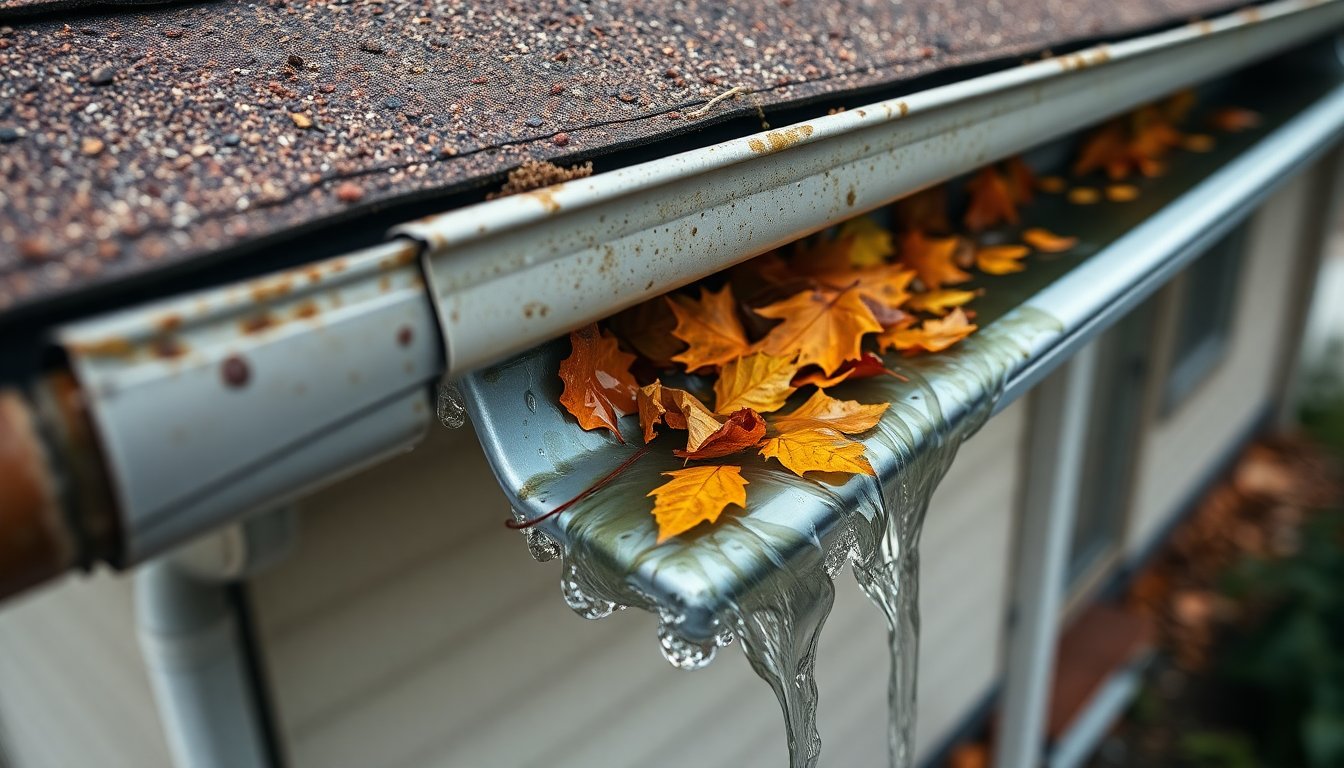
- Foundation Damage: Overflowing water pools around your foundation, causing soil erosion, basement flooding, and potential structural settling
- Roof Deterioration: Backed-up water seeps under shingles, rotting decking and creating interior leaks that damage ceilings, walls, and insulation
- Siding and Exterior Damage: Constant water exposure stains, warps, and rots wood siding while promoting mold and mildew growth
- Landscape Erosion: Concentrated water flow washes away soil, damages plants, and creates unsightly trenches around your home’s perimeter
- Pest Infestations: Standing water in clogged gutters attracts mosquitoes, while debris provides nesting sites for rodents and insects
- Ice Formation: During rare freezing events, trapped water expands and can crack gutter materials or create dangerous icicles
What Causes Gutters to Sag and Pull Away From the House?
Sagging gutters represent one of the most visible signs of gutter system failure. This problem typically develops gradually, making it easy to ignore until the situation becomes critical. Understanding the root causes helps homeowners recognize early warning signs and take corrective action before complete system failure occurs. gutter maintenance best practices
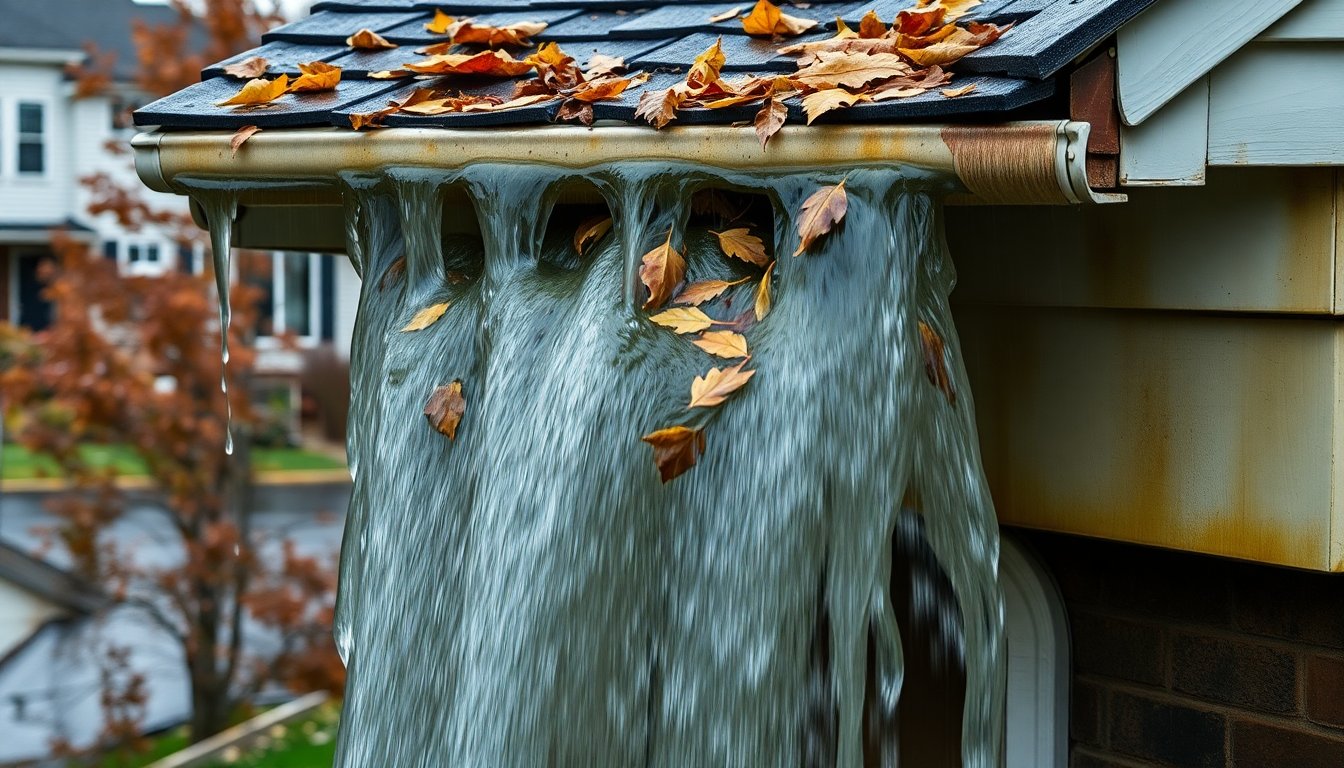
- Excessive Weight from Debris: Accumulated leaves, twigs, and standing water can add hundreds of pounds of stress to gutter hangers, especially after heavy rains when debris becomes waterlogged
- Inadequate or Failing Fasteners: Cheap spike-and-ferrule systems or improperly spaced hangers cannot support the load, while older fasteners may rust, loosen, or pull out of rotting fascia boards
- Fascia Board Deterioration: Water damage weakens the wooden fascia board that supports gutters, causing fasteners to lose their grip and creating a cascading failure pattern
- Improper Installation: Gutters installed with incorrect slope, inadequate support spacing, or wrong-sized components will eventually fail under normal operating loads
- Thermal Expansion and Contraction: Metal gutters expand and contract with temperature changes, creating stress on fasteners and joints that can lead to loosening over time
- Storm Damage: High winds, falling branches, or hail impacts can immediately damage hangers or create stress points that lead to progressive failure
How to Fix Leaking Gutters and Prevent Water Damage
Identifying Common Leak Sources
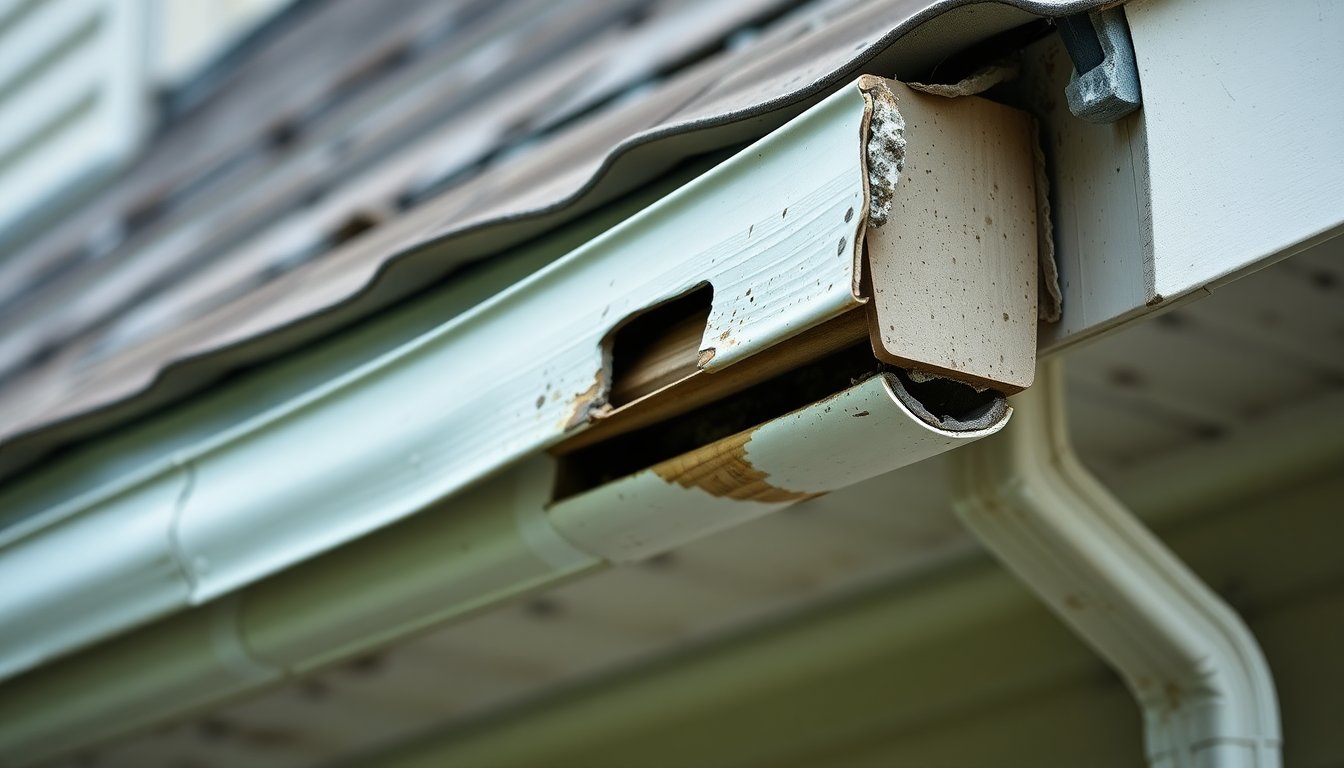
Most gutter leaks occur at predictable locations: joints between sections, end caps, corners, and around downspout connections. Small holes from rust or impact damage also create leak points that worsen over time. Professional inspection can identify these problems before they cause significant damage.
Temporary Leak Repairs
For immediate damage control, homeowners can apply gutter sealant or roofing cement to small holes and joint separations. However, these repairs are temporary solutions — proper fixes require professional attention to ensure long-term performance and prevent recurring problems.
Professional Leak Solutions
Permanent leak repairs often involve replacing damaged sections, re-sealing joints with professional-grade materials, or upgrading to seamless gutter systems that eliminate most joint-related leak sources. We frequently recommend complete section replacement rather than multiple patch repairs that may fail again.
Preventive Measures
Regular inspections and maintenance catch small problems before they become major leaks. Keeping gutters clean reduces standing water that accelerates corrosion, while proper drainage ensures water moves through the system rather than pooling in vulnerable areas.
Why Do Gutters Overflow and How Can You Stop It?
Gutter overflow during rainstorms indicates that your drainage system cannot handle the water volume it receives. This problem becomes particularly acute during the intense thunderstorms common in our area, where rainfall rates can exceed normal gutter capacity within minutes. Understanding overflow causes helps homeowners take appropriate corrective action. University of Minnesota Extension guide on gutters
- Insufficient Gutter Size: Many older homes have 4-inch gutters that cannot handle modern rainfall intensities or larger roof areas created by additions and expansions
- Blocked Downspouts: Even clean gutters will overflow if downspouts are clogged with debris, forcing water to back up and escape over gutter edges
- Inadequate Downspout Capacity: Too few downspouts or undersized downspouts create bottlenecks that prevent proper drainage during heavy rainfall events
- Improper Gutter Slope: Gutters must maintain proper pitch toward downspouts — typically 1/4 inch per 10 feet — to ensure adequate water flow
- Debris Accumulation: Leaves, granules, and organic matter reduce effective gutter capacity and create dams that cause water to back up and overflow
- Worn or Damaged Components: Sagging sections, separated joints, or damaged gutter profiles can create low spots where water pools instead of flowing toward exits
- Ice Blockages: During rare freezing weather, ice formation can completely block drainage, forcing water to overflow when temperatures rise
What Preventive Maintenance Can Save Your Gutters?
Proactive gutter maintenance costs a fraction of major repairs or complete system replacement. Regular attention to your gutters extends their lifespan, prevents water damage, and maintains proper drainage performance year-round. Most maintenance tasks are straightforward, though some require professional expertise for safety and effectiveness.
- Seasonal Cleaning and Inspection: Remove debris at least twice yearly — spring and fall — while checking for damage, loose fasteners, and proper drainage flow during the cleaning process
- Gutter Guard Installation: Quality gutter protection systems reduce debris accumulation and extend time between cleanings, though they still require periodic maintenance and inspection
- Downspout Maintenance: Flush downspouts regularly to prevent clogs, ensure proper water flow, and check that extensions direct water away from foundation areas
- Fastener and Hanger Inspection: Tighten loose screws, replace damaged hangers, and upgrade inadequate fastening systems before they cause sagging or detachment problems
- Sealant and Joint Maintenance: Re-seal joints and connections as needed, typically every few years, to prevent leaks and maintain system integrity
- Professional Annual Inspection: Have qualified technicians evaluate your entire gutter system annually to identify developing problems and recommend preventive measures
- Tree Trimming and Landscape Management: Keep branches away from gutters and roof areas to reduce debris accumulation and prevent physical damage from falling limbs
- Immediate Storm Damage Assessment: Inspect gutters after severe weather events to identify and address damage before it leads to more serious problems
Conclusion
The most common gutter problems — clogs, sagging, leaks, and overflow — share one important characteristic: they’re largely preventable through regular maintenance and prompt attention to developing issues. While clogged gutters top the list of problems we encounter throughout Magnolia, The Woodlands, and surrounding communities, addressing these issues early prevents the expensive cascade of damage that follows.
Remember that your gutter system protects one of your largest investments. Whether you need professional cleaning, repairs, or complete system replacement, addressing gutter problems promptly saves money and prevents headaches down the road. Don’t wait until small problems become major disasters — proactive maintenance and professional expertise keep your home protected year-round.


