

As professional gutter contractors serving Magnolia and the greater Houston area, we see the same gutter problems over and over again. The most common problem with gutters is clogging — but that’s just the tip of the iceberg. When gutters aren’t properly maintained, a cascade of issues follows that can damage your home’s foundation, siding, and landscaping.
Understanding these common gutter problems (and knowing how to prevent them) can save you thousands in repair costs. Let’s dive into the most frequent issues we encounter and what you can do about them.
What Are the Most Common Gutter Problems Homeowners Face?
Clogged Gutters
This is the NUMBER ONE issue we deal with in Magnolia, The Woodlands, and surrounding areas. Leaves, twigs, pine needles, and debris accumulate in gutters faster than most homeowners realize. Texas weather doesn’t help — our frequent storms dump massive amounts of organic matter onto roofs. proper water management around your home
Leaking Gutters
Leaks develop at joints, corners, and along the gutter channels themselves. What starts as a small drip can quickly become a major problem that damages your home’s exterior and foundation.
Sagging or Pulling Away
When gutters become overloaded with water and debris, they start to sag or pull away from the house. This creates gaps that allow water to pour behind the gutter system.
Improper Drainage
Standing water in gutters indicates poor slope or inadequate downspout capacity. This leads to mosquito breeding, ice formation (yes, even in Texas!), and accelerated gutter deterioration.
Damaged Downspouts
Downspouts get crushed, disconnected, or clogged with debris. Without proper water discharge, your entire gutter system becomes ineffective.
Rust and Corrosion
Older gutters made from steel or iron develop rust over time. Even aluminum gutters can corrode at joints and connections, especially in our humid Gulf Coast climate.
How Do Clogged Gutters Cause Damage and What Are the Warning Signs?
Clogged gutters are like a ticking time bomb for your home. When water can’t flow freely through the system, it finds other places to go — usually where you DON’T want it. The damage starts small but compounds quickly, especially during heavy rain events common in Tomball, Cypress, and Spring.
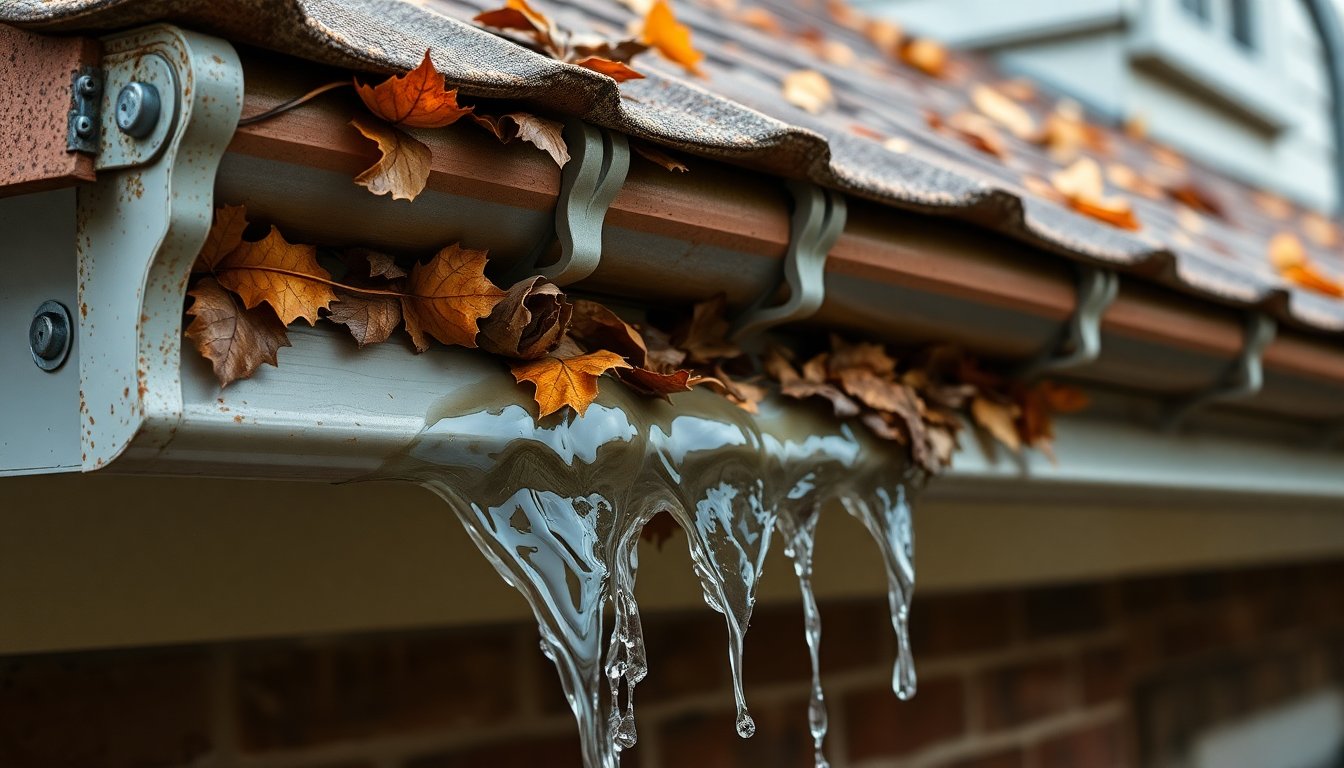
Here are the warning signs that your gutters are clogged and causing damage:
- Water overflowing from gutters during rainstorms, creating waterfalls along your roofline
- Staining on exterior walls below the gutter line, indicating water is spilling over the sides
- Sagging or pulling gutters weighed down by accumulated debris and standing water
- Plants growing in gutters — yes, this actually happens when organic matter sits too long
- Ice dams in winter (rare but possible in North Texas) when water backs up and freezes
- Foundation problems like cracks, settling, or water pooling around your home’s base
- Basement or crawl space flooding when water isn’t properly directed away from the foundation
- Landscape erosion where water cascades create channels in your yard
- Pest infestations as standing water attracts mosquitoes and debris provides nesting material
- Roof damage when backed-up water seeps under shingles and into the structure
What Causes Gutter Leaks and How Can You Fix Them?
Joint and Seam Failures
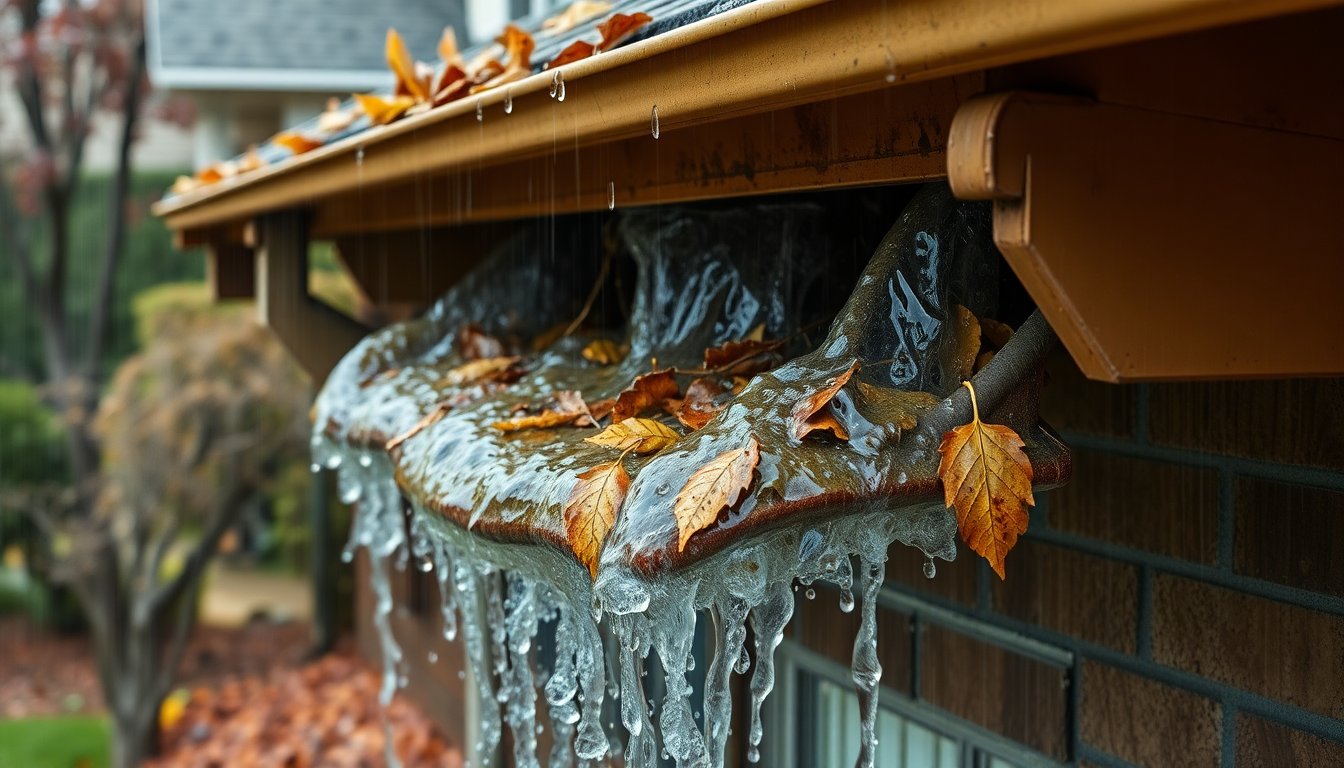
Most gutter leaks occur at joints where sections connect. The sealant deteriorates over time, creating gaps. Temperature fluctuations in areas like Montgomery and Shenandoah cause expansion and contraction that breaks these seals. gutter systems and their components
Holes and Punctures
Rust, corrosion, or physical damage creates holes in gutter channels. Sometimes it’s from falling branches, sometimes from age and weathering. Even small holes can dump significant amounts of water during heavy rains.
Loose or Missing Fasteners
When gutters pull away from the house, gaps form between the gutter and fascia board. Water pours through these gaps, potentially damaging the roof structure and siding.
Improper Installation
Some leaks trace back to poor initial installation — inadequate slope, wrong-sized gutters, or insufficient support brackets. This is why professional installation matters.
End Cap Problems
The caps at the ends of gutter runs are common failure points. If they’re not properly sealed or if they work loose, water escapes at the ends of the system.
Why Do Gutters Sag or Pull Away from the House?
Sagging gutters are more than just an eyesore — they’re a sign that your gutter system is failing. When gutters can’t maintain proper alignment, they can’t do their job effectively. We see this problem frequently in areas like Rayford, Grangerland, and Plantersville, where heavy seasonal rains test gutter systems to their limits.
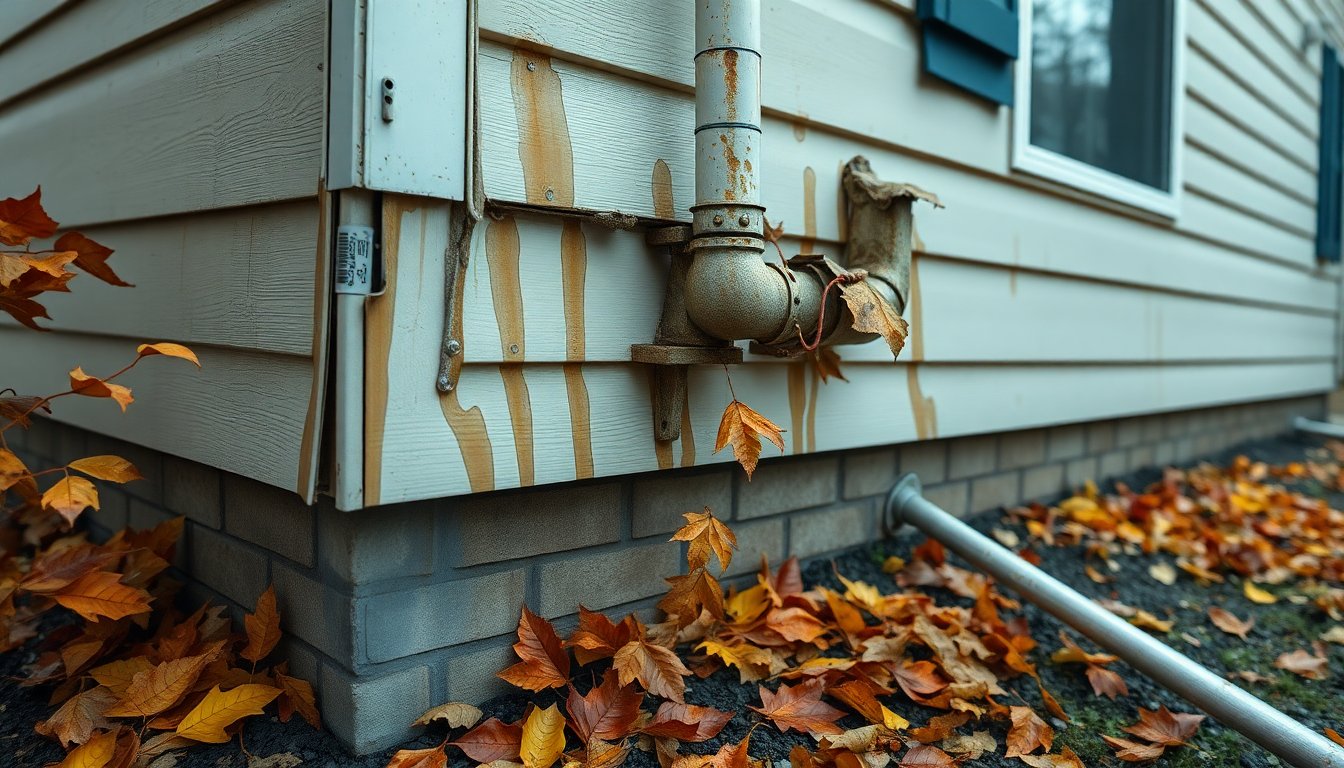
Here’s what causes gutters to sag or pull away, in order of frequency:
- Overloading from debris and standing water — When gutters fill with leaves, branches, and stagnant water, the weight exceeds what the support system can handle
- Insufficient or failing hangers — Gutters need proper support brackets every 24-30 inches; missing or loose hangers create stress points
- Fascia board deterioration — If the wood behind the gutter rots or weakens, it can’t support the gutter weight
- Ice loading — Though rare in Texas, ice accumulation can add enormous weight to gutter systems
- Improper gutter sizing — Undersized gutters overflow and create additional stress on mounting hardware
- Age and metal fatigue — Older gutters lose structural integrity over time, especially at stress concentration points
- Storm damage — High winds, falling branches, or hail can knock gutters out of alignment
How to Prevent Gutter Problems Through Regular Maintenance
Prevention is ALWAYS cheaper than repair. Regular maintenance keeps small problems from becoming expensive disasters. Based on our experience serving Stagecoach, Egypt, and Westfield, here’s what homeowners should do to keep their gutters functioning properly. professional gutter installation and repair
Follow this maintenance checklist to prevent the most common gutter problems:
- Clean gutters twice per year minimum — Spring and fall cleanings remove seasonal debris buildup; areas with heavy tree coverage may need quarterly cleaning
- Inspect and clear downspouts — Use a garden hose to flush downspouts and check for proper water flow; remove any clogs immediately
- Check gutter slope and alignment — Water should flow toward downspouts without pooling; adjust hangers if needed
- Examine seals and joints — Look for gaps, cracks, or missing caulk at connections; reseal problem areas with appropriate sealant
- Tighten loose fasteners — Check that all brackets, screws, and hangers are secure; replace any missing hardware
- Trim overhanging branches — Keep tree limbs at least 6 feet away from your roof to reduce debris accumulation
- Install gutter guards — Quality gutter protection systems dramatically reduce cleaning frequency and clog-related problems
- Monitor for rust or corrosion — Address metal deterioration early before it creates holes or structural weakness
- Ensure proper drainage away from foundation — Downspout extensions should direct water at least 6 feet from your home
- Schedule professional inspections — Annual professional assessments catch problems before they become expensive repairs
When Should You Replace vs Repair Your Gutters?
Repair Makes Sense When…
Minor issues like loose hangers, small leaks, or isolated damage can often be repaired cost-effectively. If your gutters are relatively new (under 10 years) and the problem is localized, repair is usually the smart choice.
Replacement Is Better When…
Multiple problem areas, extensive rust, or recurring issues indicate it’s time for new gutters. If you’re spending money on repairs every year, replacement becomes more economical long-term.
Age Considerations
Aluminum gutters typically last 15-20 years with proper maintenance. Steel gutters may need replacement sooner due to rust issues. If your gutters are approaching their expected lifespan AND showing problems, replacement makes sense.
Extent of Damage
When damage affects more than 30% of your gutter system, replacement often costs less than extensive repairs. This is especially true if the fascia boards or roof edge also need work.
Home Value Considerations
New gutters improve curb appeal and protect your investment. If you’re planning to sell your home in Aldine, Pinehurst, or Splendora, new gutters can be a selling point that justifies the investment.
Upgrade Opportunities
Replacement allows you to upgrade to larger gutters, better materials, or integrated gutter protection systems. These improvements can prevent future problems and reduce maintenance needs.
Conclusion
The most common gutter problem — clogging — leads to a cascade of issues that can damage your home’s foundation, siding, and landscaping. Regular maintenance, prompt repairs, and knowing when to replace your gutters can save you thousands in damage costs. Whether you need gutter cleaning, repairs, or complete replacement, addressing problems early prevents them from becoming major headaches. Don’t wait until water damage occurs — take action to protect your home’s most important drainage system.


