

If you’re staring at your 20-year-old gutters wondering whether it’s time for a replacement, you’re asking the right question. As professional gutter contractors serving the Magnolia area and surrounding communities, we’ve seen countless homeowners struggle with this decision—and the costly consequences of waiting too long.
The truth is, most gutters reach a critical decision point around the two-decade mark. While some systems might limp along for a few more years, others are already causing expensive damage to your home’s foundation, siding, and landscaping. Let’s dive into everything you need to know to make the RIGHT choice for your property.
How Long Do Gutters Typically Last?
Gutter lifespan varies dramatically based on material, installation quality, maintenance, and local weather conditions. In Texas, where we experience everything from scorching summers to severe thunderstorms, gutters face unique challenges that can accelerate wear and tear. EPA WaterSense program
- Aluminum gutters: 15-25 years (most common residential choice)
- Steel gutters: 20-30 years (heavier duty but prone to rust)
- Copper gutters: 50-100+ years (premium option with patina development)
- Vinyl gutters: 10-15 years (budget-friendly but weather-sensitive)
- Zinc gutters: 80+ years (expensive but extremely durable)
Signs Your 20-Year-Old Gutters Need Replacement
Visible Rust and Corrosion
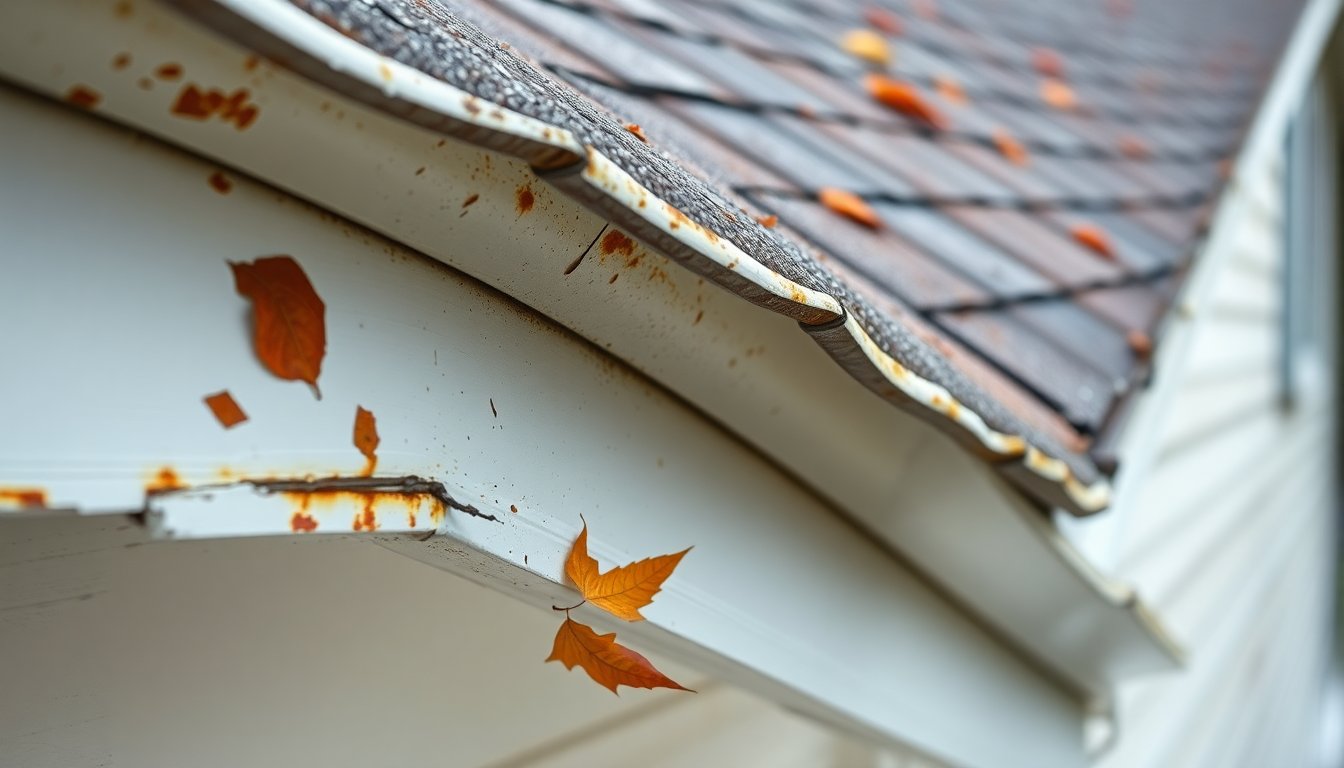
Rust spots aren’t just cosmetic issues—they’re warning signs of structural failure. When we inspect 20-year-old gutters in Tomball, The Woodlands, and surrounding areas, rust is often the first red flag we notice. Small rust spots can be patched temporarily, but extensive corrosion means the metal has lost its integrity.
Look for orange or brown discoloration, especially around joints and seams. If you can flake off rust with your fingernail, replacement is URGENT. Corroded gutters will eventually develop holes, leading to water damage that costs thousands more than gutter replacement.
Sagging or Pulling Away from the House
Gutters that sag or separate from your roofline indicate serious structural problems. After two decades of Texas weather—including ice storms, heavy rains, and temperature fluctuations—the mounting hardware often fails.
This isn’t just about appearance. Sagging gutters can’t properly channel water away from your home. Instead, water pools in low spots, accelerating deterioration and creating breeding grounds for mosquitoes. Worse yet, the weight of standing water can cause complete gutter collapse.
Cracks and Holes
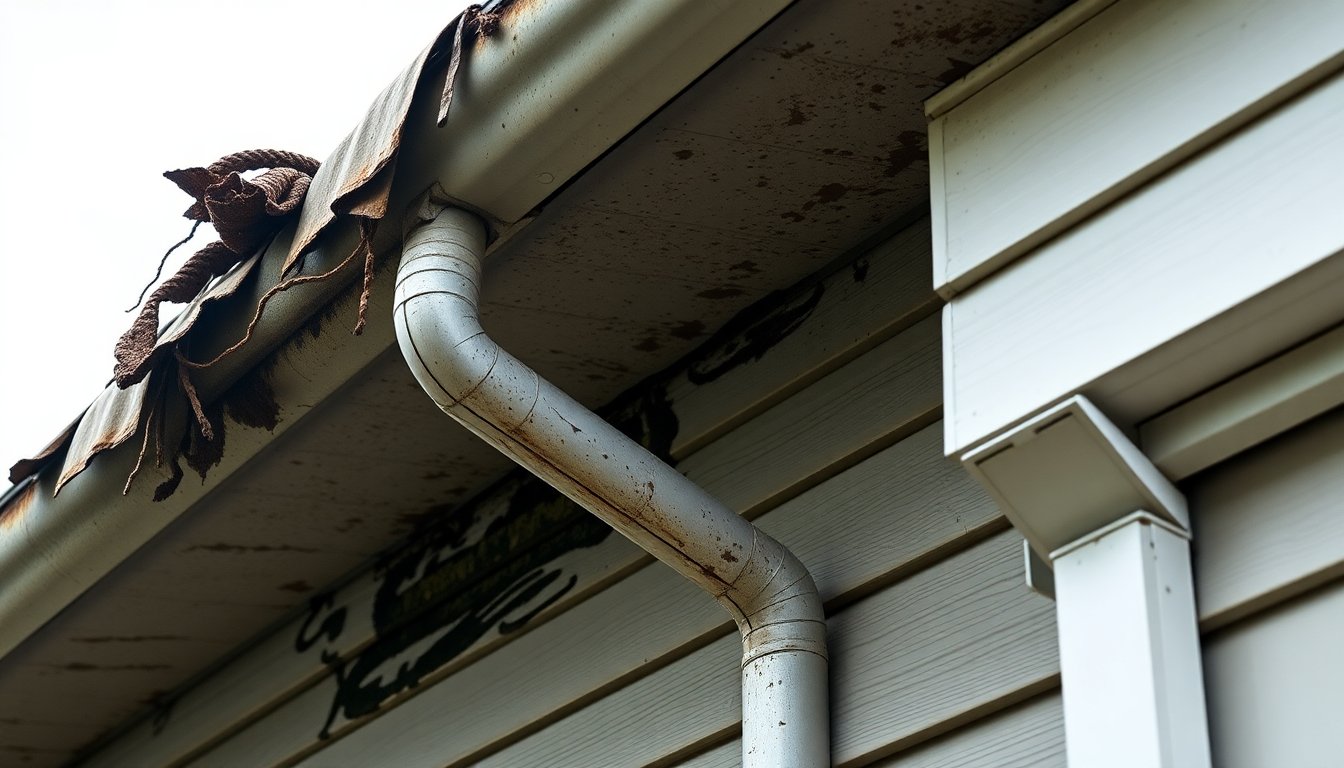
Small cracks might seem manageable, but they’re like cracks in a dam—they WILL get bigger. We’ve seen pinhole leaks in Cypress and Spring turn into gaping holes within a single storm season.
Water escaping through cracks defeats the entire purpose of your gutter system. Even tiny leaks can cause significant damage over time, staining your siding, eroding your foundation, and creating moisture problems in your basement or crawl space.
Paint Peeling or Water Stains
Peeling paint on your gutters or water stains on your home’s exterior walls are telltale signs of gutter failure. When gutters overflow or leak, water runs down your siding instead of being properly channeled away.
These stains often appear as dark streaks below gutter joints or at corners where water typically overflows. If you notice this pattern around your Magnolia home, your gutters are likely beyond repair.
Mold or Mildew Growth
Persistent moisture from failing gutters creates perfect conditions for mold and mildew growth. This isn’t just unsightly—it’s a health hazard for your family and can cause expensive remediation costs.
Mold often appears as black or green discoloration on your home’s exterior walls, particularly near the foundation. If you’re seeing mold growth that returns despite cleaning, your gutters are probably the culprit.
What Happens If You Don’t Replace Old Gutters?
Delaying gutter replacement might save money upfront, but the long-term costs can be DEVASTATING. We’ve worked with homeowners in Montgomery, Splendora, and Shenandoah who learned this lesson the hard way—after spending thousands on foundation repairs that could have been prevented. gutter maintenance and replacement guide
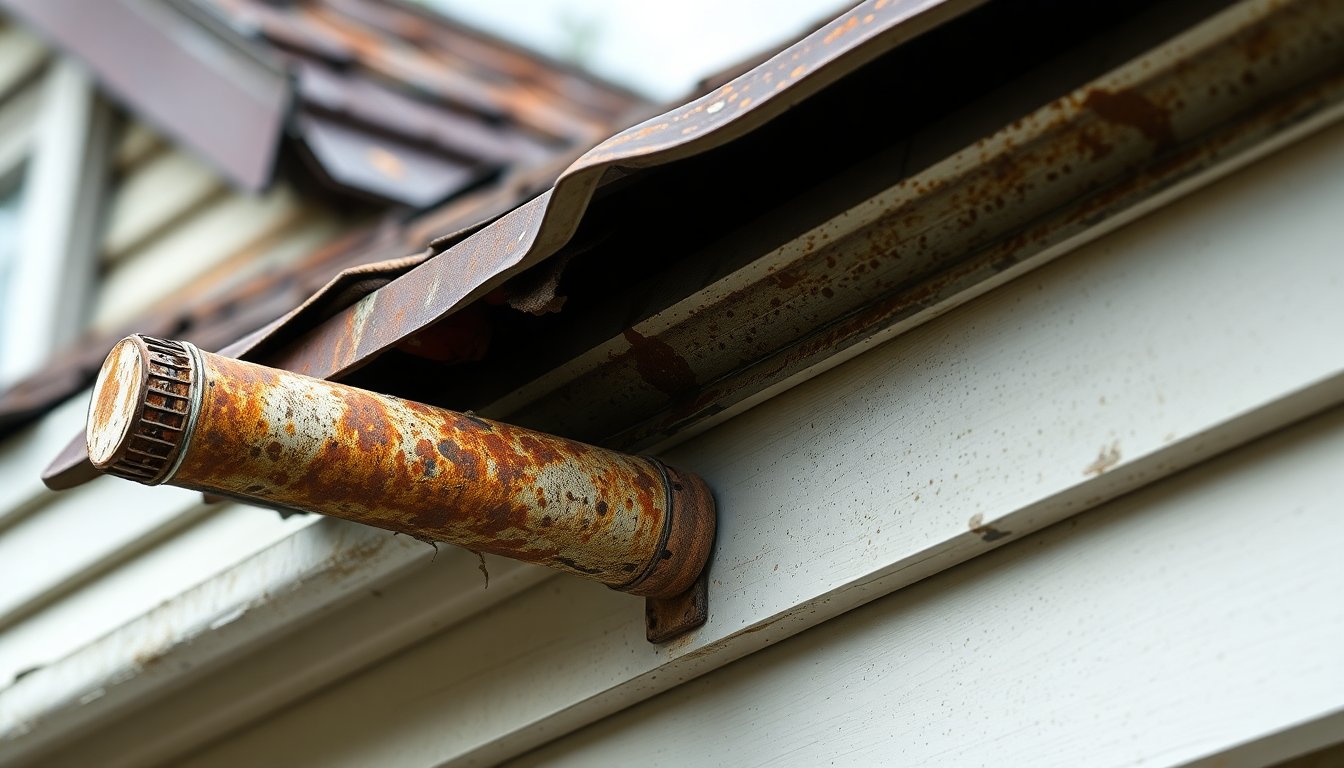
- Foundation damage: Poor drainage can cause soil erosion, foundation settling, and basement flooding (repair costs: $3,000-$15,000+)
- Roof damage: Overflowing gutters can cause ice dams, fascia board rot, and roof leaks ($2,000-$8,000+ in repairs)
- Siding deterioration: Water running down exterior walls causes rot, mold, and paint damage ($1,500-$5,000+ to repair)
- Landscape erosion: Uncontrolled water flow destroys landscaping and creates drainage problems ($500-$2,000+ to restore)
- Basement flooding: Failed gutters can lead to water intrusion and expensive waterproofing needs ($2,000-$10,000+)
- Pest infestations: Standing water in clogged or damaged gutters attracts mosquitoes, termites, and other pests
Cost to Replace 20-Year-Old Gutters vs Repair
The repair-versus-replace decision often comes down to math. While repairs might seem cheaper initially, they’re often just delaying the inevitable—especially with 20-year-old systems.
| Service | Typical Cost Range | Lifespan | Best For |
|---|---|---|---|
| Minor repairs (small leaks, loose brackets) | $150-$500 | 1-3 years | Gutters under 15 years old |
| Major repairs (section replacement, extensive patching) | $500-$1,500 | 2-5 years | Isolated damage on newer systems |
| Partial replacement (one side of house) | $800-$2,000 | 15-25 years | When only one section is severely damaged |
| Full gutter replacement | $1,200-$4,000 | 15-25+ years | Systems over 20 years old with multiple issues |
Here’s the reality: if your 20-year-old gutters need repairs costing more than 30% of replacement cost, replacement makes more financial sense. You’ll get a warranty, improved performance, and decades of reliable service.
Consider this scenario we see frequently in Rayford and Grangerland: A homeowner spends $800 repairing old gutters, then needs another $600 in repairs two years later. That’s $1,400 spent on a system that still needs replacement—money that could have gone toward a complete new system with a 20+ year lifespan.
Best Gutter Materials for Replacement in 2026
Aluminum Gutters (Most Popular Choice)
Aluminum remains the gold standard for residential gutters, and for good reason. It offers the best balance of cost, durability, and performance for Texas homes. Modern aluminum gutters feature improved alloys and coating systems that significantly outperform older versions. Consumer Reports gutter buying guide
Pros: Lightweight, rust-resistant, available in numerous colors, easy to install, recyclable. Cons: Can dent from hail (common in our area), may require periodic resealing at joints.
Steel Gutters (Heavy-Duty Option)
Galvanized steel gutters provide superior strength and can handle heavy water loads—important during Texas thunderstorms. However, they’re heavier and more expensive to install than aluminum.
Pros: Extremely strong, handles heavy water flow, long-lasting when properly maintained. Cons: Prone to rust over time, heavier installation requirements, higher material costs.
Copper Gutters (Premium Choice)
If budget isn’t a primary concern, copper gutters offer unmatched longevity and distinctive appearance. They develop a beautiful patina over time and can last generations with minimal maintenance.
Pros: 50+ year lifespan, beautiful appearance, increases home value, naturally antimicrobial. Cons: High upfront cost, requires specialized installation, can stain certain siding materials.
Vinyl Gutters (Budget Option)
While vinyl gutters are the most affordable option, they’re not ideal for Texas climate conditions. The extreme temperature fluctuations in our region can cause cracking and warping.
Pros: Lowest upfront cost, easy DIY installation, won’t rust or corrode. Cons: Brittle in cold weather, can warp in extreme heat, limited color options, shorter lifespan.
DIY vs Professional Gutter Replacement
The DIY approach might seem tempting—especially with YouTube tutorials making everything look simple. However, gutter installation involves significant safety risks, specialized tools, and technical knowledge that most homeowners don’t possess. Here’s what you need to consider:
- Safety concerns: Gutter installation requires extensive ladder work at dangerous heights. Professional contractors have safety equipment, training, and insurance. One fall can result in injuries costing far more than professional installation.
- Proper slope calculation: Gutters must be installed with precise slope (typically 1/4 inch per 10 feet) to ensure proper drainage. Incorrect slope leads to standing water, overflow, and premature failure.
- Fascia board assessment: Before installing new gutters, the fascia boards must be inspected for rot or damage. This often requires carpentry skills and may involve structural repairs.
- Seamless gutter fabrication: Most modern installations use seamless gutters cut to exact specifications on-site. This requires specialized equipment that’s not available to DIYers.
- Warranty protection: Professional installations typically include warranties on both materials and workmanship. DIY installations void manufacturer warranties and provide no recourse for problems.
- Code compliance: Local building codes may require permits for gutter replacement. Professional contractors handle permitting and ensure code compliance.
- Time investment: DIY gutter installation can take an entire weekend (or longer) for inexperienced homeowners. Professionals typically complete installations in one day.
- Tool requirements: Proper gutter installation requires specialized tools including gutter machines, crimpers, and commercial-grade fasteners that cost more than professional installation.
Conclusion
After 20 years of service, your gutters have likely reached the end of their effective lifespan. While repairs might provide temporary relief, replacement offers better long-term value and protection for your home. The cost of replacement is minimal compared to the potential damage from failed gutters—foundation problems, roof damage, and water intrusion can cost tens of thousands to repair.
Modern gutter systems offer superior performance, longer warranties, and better protection than the technology available two decades ago. Whether you choose aluminum, steel, or copper, a professional installation will provide decades of reliable service and peace of mind. Don’t wait until your old gutters cause expensive damage—take action now to protect your most important investment.


