

As roofing professionals serving the Magnolia and surrounding areas, we get asked about gutter guards almost daily. Homeowners want to know if these protective systems actually work—and whether roofers recommend them. The truth is, gutter guards can be incredibly effective when installed properly and chosen for the right situation, but they’re not a magic solution for every home.
After years of installing, maintaining, and sometimes removing gutter guards, we’ve seen what works (and what doesn’t). Let’s dive into the honest opinions roofers have about these popular gutter accessories and help you make an informed decision for your home.
Do Roofers Recommend Gutter Guards?
Most experienced roofers DO recommend gutter guards for the majority of homes—but with important caveats. We’ve found that gutter guards work best when they’re properly matched to your specific situation. A home surrounded by pine trees needs different protection than one with occasional oak leaves, and the type of roof you have matters too. proper gutter maintenance
Here’s when roofers typically recommend gutter guards:
- Homes with heavy tree coverage — especially if you’re tired of cleaning gutters multiple times per year
- Two-story homes or difficult-to-access gutters — safety becomes a major factor when cleaning requires ladders
- Properties where regular maintenance is challenging — elderly homeowners or those with mobility issues
- Areas with frequent storms — gutter guards can prevent clogs that lead to overflow damage
- Homes with existing gutter problems — guards can extend the life of your current system
- Investment properties — reduced maintenance calls and tenant complaints
What Are the Pros and Cons of Gutter Guards According to Roofers?
The Advantages Roofers See
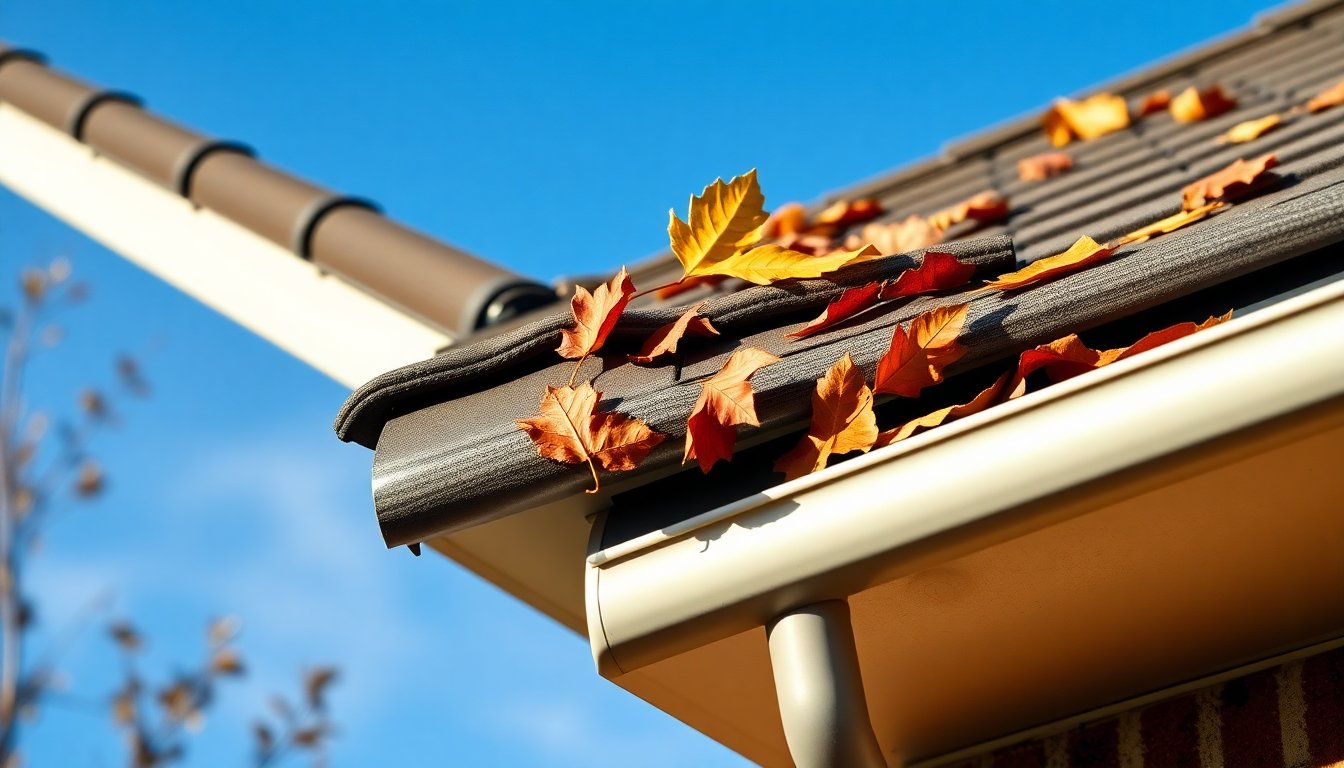
From our experience installing and maintaining gutters across Tomball, The Woodlands, and surrounding areas, gutter guards offer several real benefits. The most obvious advantage is DRAMATICALLY reduced cleaning frequency. Instead of cleaning gutters three or four times per year, most homeowners only need annual maintenance.
Gutter guards also prevent pest infestations. Birds, squirrels, and insects love to nest in clogged gutters filled with wet debris. Guards eliminate this cozy habitat while keeping your gutters flowing properly. We’ve also noticed that homes with gutter guards experience fewer ice dams during those rare Texas freezes—the improved water flow prevents ice buildup.
The Drawbacks Roofers Encounter
However, gutter guards aren’t perfect. The biggest issue we see is improper installation by inexperienced contractors. Poorly installed guards can actually WORSEN drainage problems or create new leak points. Some guards also struggle with very small debris like pine needles or maple “helicopters” that can slip through or accumulate on top.
Maintenance doesn’t disappear completely either. While you’ll clean less frequently, you’ll still need periodic inspections and occasional debris removal from the guard surface. Some types of guards can also make gutter repairs more complicated since they need to be removed for access.
Cost Considerations
The upfront investment can be substantial, but most roofers agree that quality gutter guards pay for themselves over time. When you factor in the cost of professional gutter cleaning, potential water damage from clogs, and the safety risks of DIY cleaning, guards often make financial sense within 3-5 years.
Which Types of Gutter Guards Do Roofers Install Most Often?
After installing hundreds of gutter guard systems throughout Magnolia, Cypress, Spring, and nearby communities, we’ve learned which types perform best in our Texas climate. The most popular options each have their place, depending on your specific needs and budget. gutter systems
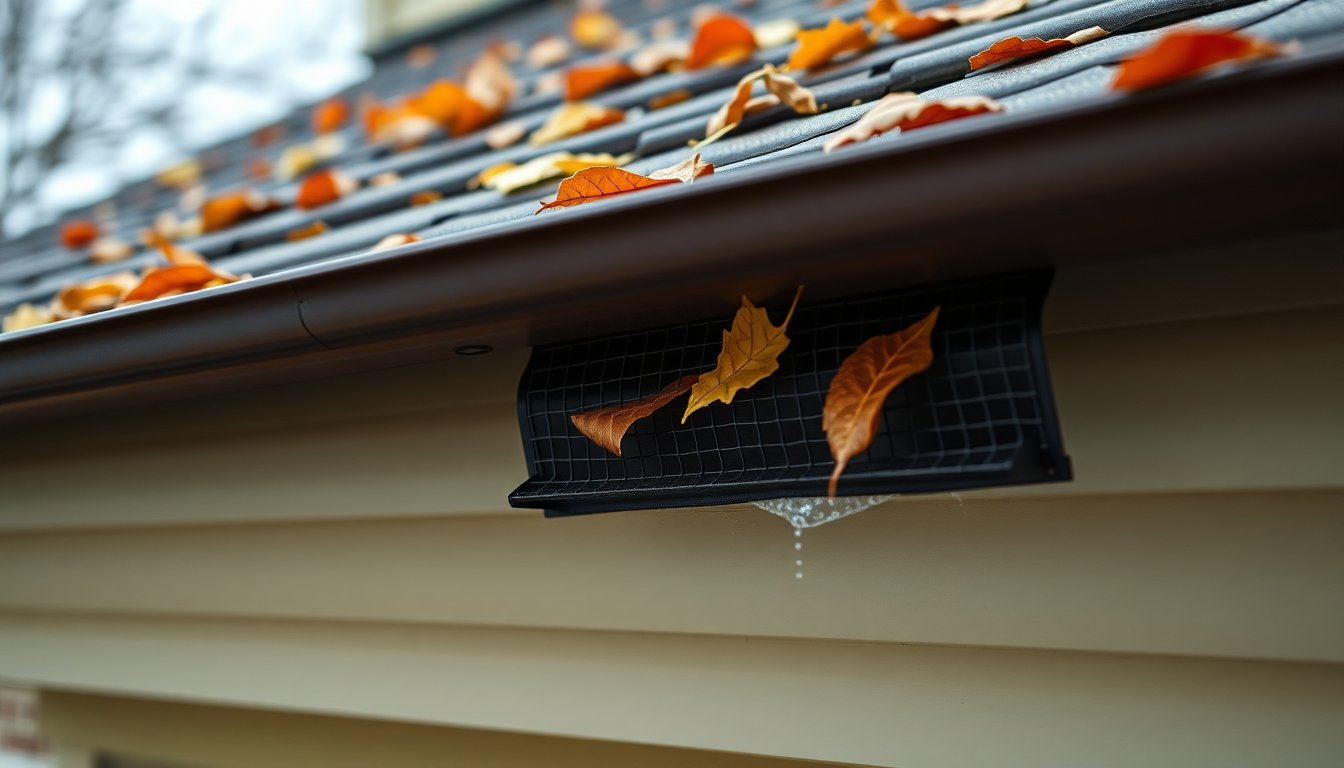
- Micro-mesh guards — These fine-screen systems block even small debris while allowing excellent water flow. They’re our top recommendation for most homes because they handle everything from large leaves to tiny seeds. The surgical-grade stainless steel versions last decades.
- Reverse curve (helmet-style) guards — These solid covers with curved edges work well for heavy leaf loads. Water follows the curve into the gutter while debris falls off. They’re particularly effective on homes with large deciduous trees.
- Foam inserts — While not our first choice for permanent solutions, foam guards offer an affordable entry point. They work reasonably well for light debris loads but need more frequent replacement than other options.
- Brush-style guards — These cylindrical brush inserts sit inside gutters and catch debris while allowing water through. They’re easy to install but can collect smaller debris over time and may need periodic cleaning.
- Screen guards — Basic aluminum or plastic screens offer budget-friendly protection against larger debris. They work well in areas with minimal tree coverage but may clog with smaller particles.
How Much Do Roofers Charge to Install Gutter Guards?
Gutter guard installation costs vary significantly based on the type of guard, your home’s size and complexity, and local market conditions. In our service area covering Rayford, Grangerland, Plantersville, and surrounding communities, we see consistent pricing patterns across different guard types.
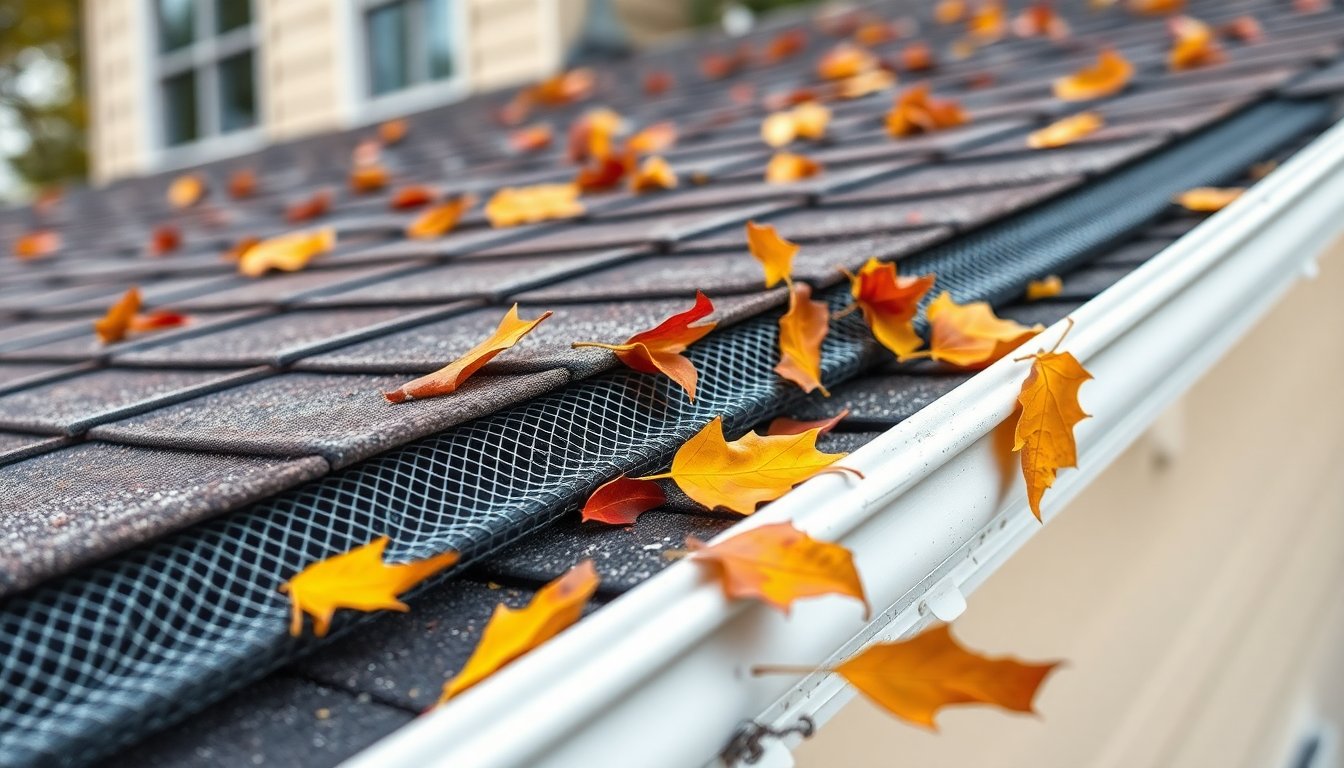
Here’s what homeowners typically pay for professional installation:
- Basic screen guards: $3-7 per linear foot — affordable but may require more maintenance
- Micro-mesh systems: $8-15 per linear foot — premium option with excellent long-term performance
- Reverse curve guards: $10-18 per linear foot — higher upfront cost but very durable
- Foam inserts: $2-4 per linear foot — lowest cost but shortest lifespan
- Brush guards: $4-8 per linear foot — mid-range option for moderate debris loads
- Custom fabrication: $12-25 per linear foot — for unique situations or premium materials
What Problems Do Roofers See with Gutter Guards?
Installation Issues
The most common problems we encounter stem from poor installation practices. Some contractors install guards without proper slope adjustment, creating water pooling issues. Others fail to secure guards adequately, leading to wind damage or sagging. We’ve also seen installations where guards interfere with roof drainage or create new leak points at attachment locations. Consumer Reports gutter guard testing
Debris Accumulation
Even the best gutter guards can experience debris buildup over time. Small twigs, seed pods, and organic matter can accumulate on guard surfaces, eventually reducing water flow. This is particularly common with reverse curve systems during heavy pollen seasons or after major storms. Regular surface cleaning prevents these issues but surprises homeowners who expected zero maintenance.
Water Overflow
During extremely heavy rainfall, some guard types can cause water to overshoot gutters entirely. This happens when guards can’t handle the volume or when surface tension carries water over the gutter edge. While rare, it’s more common with solid cover systems during intense Texas thunderstorms.
Compatibility Problems
Not all guards work well with every gutter style or roof type. Some guards interfere with existing gutter accessories like downspout screens or splash blocks. Others don’t accommodate the thermal expansion and contraction that metal gutters experience in our climate.
When Do Roofers Say You Should Skip Gutter Guards?
Despite their benefits, gutter guards aren’t right for every situation. As roofing professionals serving Stagecoach, Egypt, Westfield, and the broader region, we sometimes recommend against guard installation based on specific circumstances.
Consider skipping gutter guards if you have:
- Very old or damaged gutters — invest in gutter replacement first, then add guards to the new system
- Extremely steep roof pitches — water velocity can overwhelm some guard types during heavy rain
- Minimal tree coverage — if you only clean gutters once yearly, guards may not provide enough value
- Plans to replace your roof soon — wait until after roofing work to avoid potential guard damage
- Very tight budgets — cheap guards often create more problems than they solve
- Complex architectural features — dormers, valleys, and multiple roof lines can complicate guard installation
- Frequent hail in your area — some guard materials can be damaged by large hailstones
Conclusion
Roofers generally recommend gutter guards for most homes, but success depends heavily on choosing the right type and ensuring proper installation. Quality micro-mesh systems offer the best long-term performance for most Texas homes, while reverse curve guards excel in heavy debris situations. Remember that gutter guards reduce maintenance rather than eliminating it completely—annual inspections and occasional cleaning keep systems working optimally.
The investment typically pays for itself within a few years through reduced cleaning costs and prevented water damage. However, guards work best on well-maintained gutter systems, so address any existing issues before installation. When you’re ready to explore gutter guard options for your home in Aldine, Pinehurst, Shenandoah, Montgomery, Splendora, or surrounding areas, consult with experienced professionals who understand local conditions and can recommend the best solution for your specific situation.


