

When storm clouds roll through Magnolia and the surrounding areas, homeowners often face the dreaded question: will homeowners insurance pay for roof repair? We’ve helped countless families navigate this complex issue, and the answer isn’t always straightforward. Understanding your coverage can mean the difference between paying thousands out of pocket or having your insurance company handle the bill.
Insurance coverage for roof damage depends on several factors—the cause of damage, your policy type, and even your roof’s age. We’ve seen homeowners get caught off guard when they assume all roof problems are covered, only to discover their claim has been denied. Let’s break down exactly what you need to know about homeowners insurance and roof repairs.
What Types of Roof Damage Does Homeowners Insurance Cover?
Most standard homeowners insurance policies cover roof damage caused by sudden, unexpected events. The key word here is “sudden”—insurance companies distinguish between damage that happens quickly versus problems that develop over time. Understanding these covered perils can help you determine whether your roof repair costs will be covered. standard homeowners insurance policy
Storm and Weather-Related Damage
Severe weather events are typically covered under most homeowners policies. This includes damage from thunderstorms, tornadoes, hurricanes, and heavy snow loads. We’ve processed numerous claims in The Woodlands and Tomball after major storm systems moved through our area. Hail damage is particularly common in Texas and usually results in approved claims when properly documented.
Wind damage is another frequently covered peril. When strong winds lift shingles, damage flashing, or cause tree limbs to fall on your roof, insurance companies generally accept these claims. The key is proving the damage occurred during a specific weather event rather than from normal wear and tear.
Fire and Lightning Damage
Fire damage to roofs—whether from house fires, wildfires, or lightning strikes—is almost always covered by homeowners insurance. Lightning can cause both direct damage (burning holes in roofing materials) and indirect damage (power surges that affect electrical systems in the attic). We’ve seen lightning claims result in full roof replacements when the damage is extensive enough.
Even smoke damage from nearby fires can sometimes warrant roof repairs or cleaning, depending on your policy’s specific language and the extent of the damage.
Falling Objects and Impact Damage
When trees, branches, or other objects fall onto your roof, the damage is typically covered by insurance. This includes scenarios like aircraft debris, meteorites (yes, it happens!), or even parts from neighboring construction projects. The coverage usually extends to both the roof damage and any interior damage caused by the impact.
However, if the falling object came from your own property—like a tree you knew was diseased—the coverage might be questioned. Insurance companies may investigate whether you had prior knowledge of the hazard.
Vandalism and Theft
Intentional damage to your roof from vandalism or theft of roofing materials is generally covered. This might include graffiti on roof surfaces, deliberate damage from thrown objects, or theft of valuable roofing components like copper gutters or solar panels.
The challenge with vandalism claims is often proving the damage was intentional rather than accidental. Police reports and witness statements can strengthen these types of claims significantly.
When Does Homeowners Insurance NOT Cover Roof Repairs?
Understanding when insurance WON’T pay for roof repairs is just as important as knowing when it will. Many homeowners in Cypress and Spring have been surprised to learn their roof damage isn’t covered due to policy exclusions or specific circumstances.
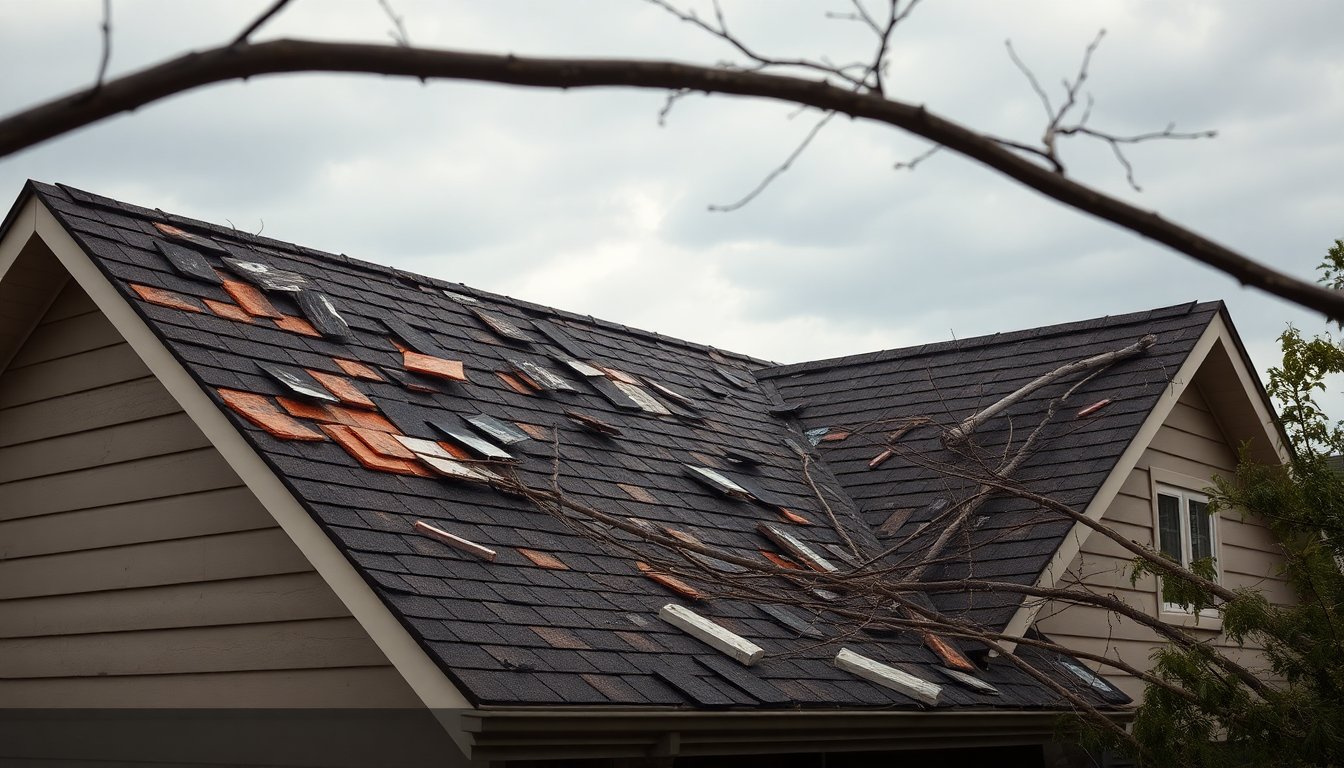
- Normal wear and tear: Insurance doesn’t cover gradual deterioration from age, weather exposure, or normal use. If your 20-year-old shingles are simply reaching the end of their lifespan, that’s a maintenance issue, not an insurable event.
- Poor maintenance: Failure to maintain your roof can void coverage. This includes ignoring minor repairs that lead to bigger problems, not cleaning gutters regularly, or allowing moss and debris to accumulate.
- Flood damage: Standard homeowners policies exclude flood damage. If rising water damages your roof (rare but possible in severe flooding), you’d need separate flood insurance to cover repairs.
- Earth movement: Earthquakes, sinkholes, and landslides are typically excluded from standard policies. You’d need separate earthquake insurance for coverage.
- Intentional damage: If you or someone in your household deliberately damages the roof, insurance won’t cover repairs. This seems obvious but becomes relevant in some domestic disputes or fraud cases.
- Business activities: If you run a business from your home and the roof damage relates to commercial activities, your homeowners policy might not provide coverage.
- Code upgrades: Insurance typically pays to restore your roof to its previous condition but won’t cover upgrades required by new building codes unless you have specific endorsements.
How Much Will Insurance Pay for Roof Replacement vs Repair?
The amount your insurance pays depends on your policy type, deductible, and the extent of damage. We’ve worked with homeowners throughout Montgomery and Shenandoah who’ve received vastly different payouts for similar damage based on these factors. Understanding the difference between actual cash value and replacement cost coverage is crucial. flood insurance through FEMA
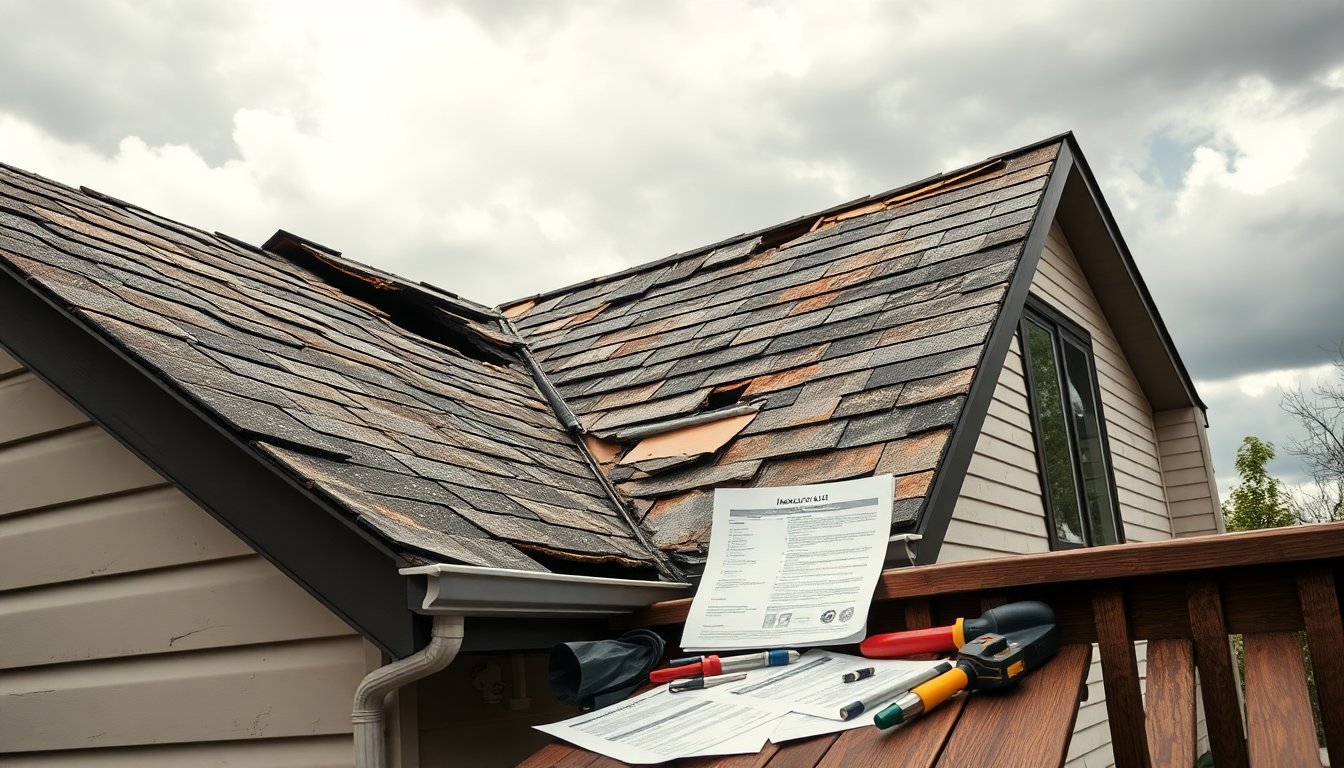
- Replacement Cost Coverage: This pays the full cost to replace damaged roofing materials with new materials of similar quality. If your roof repair costs $8,000, you pay your deductible (typically $500-$2,500) and insurance covers the rest. This is the most comprehensive coverage but costs more in premiums.
- Actual Cash Value Coverage: This pays replacement cost minus depreciation for the roof’s age and condition. A 10-year-old roof might only receive 60-70% of replacement cost, leaving you to cover the difference. While cheaper in premiums, it can result in significant out-of-pocket expenses.
- Partial Repairs vs Full Replacement: Insurance adjusters determine whether damage warrants repair or replacement. Minor damage affecting less than 25% of the roof usually results in repair coverage only. Extensive damage affecting more than 50% often triggers full replacement coverage.
- Matching Requirements: Some policies include provisions for matching roofing materials when only partial replacement is needed. This prevents the patchwork appearance that can occur when new materials don’t match existing ones.
- Deductible Considerations: Your deductible applies to each claim. If repairs cost $3,000 but your deductible is $2,500, insurance only pays $500. Some areas prone to severe weather have separate, higher deductibles for wind and hail damage.
What Is the Claims Process for Roof Damage Insurance?
Filing a roof damage claim requires careful documentation and timing. We’ve guided homeowners through this process countless times, and following the proper steps can mean the difference between claim approval and denial.
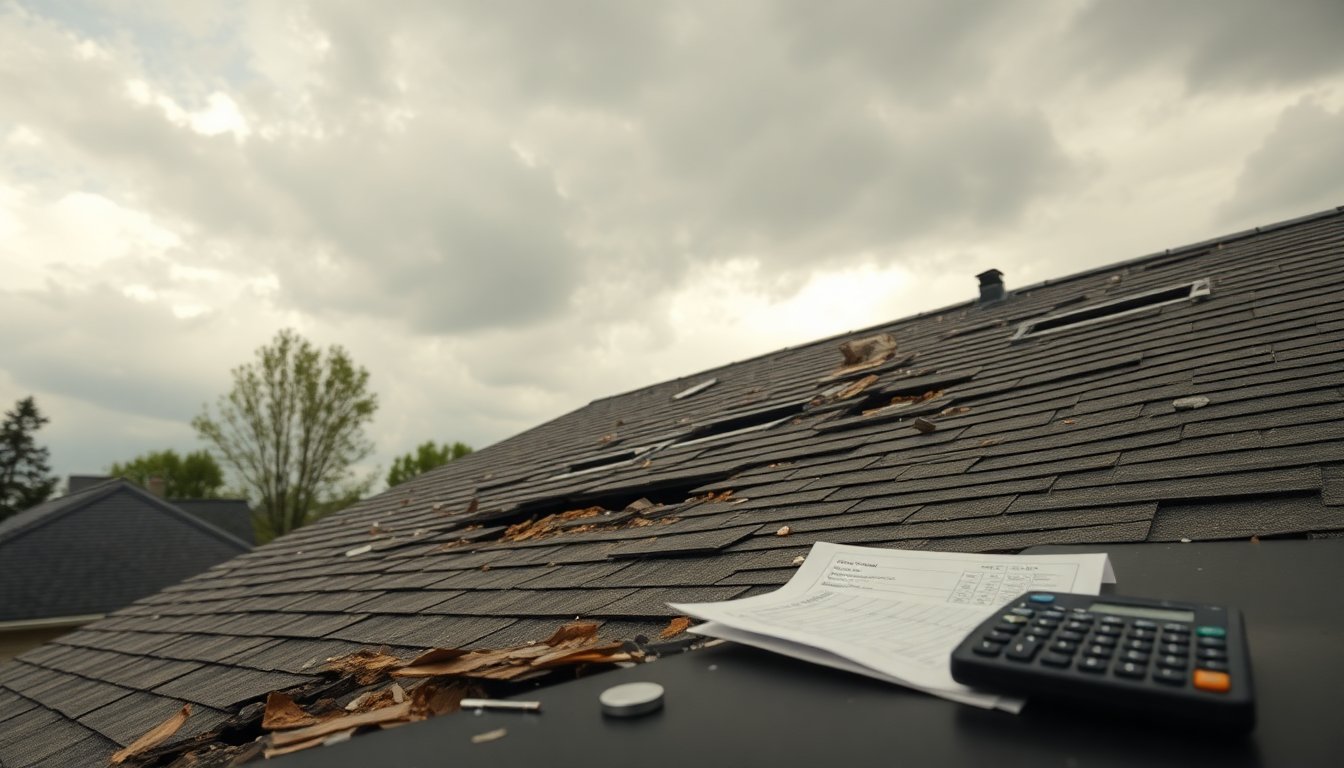
- Document the damage immediately: Take photos and videos of all visible damage before making any temporary repairs. Include wide shots showing the entire roof area and close-ups of specific damage. Date-stamp everything if possible.
- Contact your insurance company: Report the claim as soon as possible after discovering damage. Many policies require prompt notification, and delays can complicate the claims process. Have your policy number and basic damage information ready.
- Make temporary repairs to prevent further damage: Cover holes with tarps, remove standing water, and secure loose materials. Save all receipts—these emergency repair costs are often reimbursable. Don’t make permanent repairs until the adjuster inspects the damage.
- Schedule the insurance adjuster inspection: The adjuster will assess damage extent and determine coverage. Be present during this inspection to point out all damage and ask questions about the assessment process.
- Get independent estimates: Obtain repair estimates from licensed roofing contractors familiar with insurance work. These estimates help ensure the adjuster’s assessment is accurate and complete.
- Review the adjuster’s report: Carefully examine the damage assessment and coverage determination. If you disagree with the findings, you have the right to request re-inspection or hire a public adjuster.
- Choose your contractor carefully: Select a licensed, insured contractor experienced with insurance claims. Avoid door-to-door solicitors who appear immediately after storms—these are often scammers or fly-by-night operations.
- Coordinate repairs with your insurance company: Some insurers require approval of contractors or repair methods. Keep detailed records of all communications and get important agreements in writing.
How Does Your Roof’s Age Affect Insurance Coverage?
Roof age significantly impacts both coverage availability and claim payouts. We’ve seen homeowners in Plantersville and Rayford face coverage challenges simply because their roofs were older than insurance company thresholds. Understanding these age-related factors helps you prepare for potential coverage limitations. choosing the right homeowners insurance coverage
New Roofs (0-10 Years)
Newer roofs typically receive full replacement cost coverage with minimal questions. Insurance companies view these roofs as lower risk, and claims are often processed more smoothly. If you’ve recently replaced your roof, make sure to notify your insurance company—some offer discounts for new roofing systems.
Documentation of the roof’s installation date, materials used, and contractor information helps support claims. Keep warranties and installation certificates in your insurance files.
Middle-Aged Roofs (10-20 Years)
Roofs in this age range usually maintain full coverage but may face more scrutiny during claims. Insurance adjusters pay closer attention to maintenance history and may look for signs of pre-existing problems. Regular maintenance records become more important for supporting claims.
Some insurance companies begin applying depreciation to roofs over 10 years old, even with replacement cost coverage. Review your policy carefully to understand how depreciation affects your specific situation.
Older Roofs (20+ Years)
Roofs over 20 years old face the most coverage challenges. Some insurance companies won’t write new policies on homes with roofs this old, requiring replacement before coverage begins. Existing policies may switch to actual cash value coverage or impose higher deductibles.
If your roof is approaching 20 years old, consider proactive replacement to maintain full insurance coverage. The cost of voluntary replacement often proves less expensive than dealing with coverage limitations and higher premiums.
What Documentation Do You Need for a Roof Insurance Claim?
Proper documentation makes the difference between smooth claim processing and frustrating delays. We’ve helped homeowners throughout Stagecoach and Grangerland organize their claim documentation, and having everything ready speeds up the entire process significantly.
- Pre-damage photos: Recent photos of your roof’s condition before the damage occurred prove the roof was properly maintained. Real estate listing photos, home inspection reports, or routine maintenance photos work well for this purpose.
- Post-damage documentation: Comprehensive photos and videos showing all damage from multiple angles. Include reference points like nearby structures or landscaping to help adjusters locate specific damage areas.
- Weather reports and data: Official weather service reports documenting severe weather in your area on the damage date. This helps establish the cause of damage and supports your claim timeline.
- Maintenance records: Documentation of regular roof maintenance, gutter cleaning, and previous repairs. This proves you’ve properly maintained your roof and helps counter any maintenance-related claim denials.
- Contractor estimates: Multiple estimates from licensed roofing contractors familiar with insurance work. These should detail all necessary repairs and material costs in formats insurance adjusters can easily review.
- Previous insurance claims: Records of any previous roof-related claims help adjusters understand your roof’s history. This information can support your current claim or explain existing conditions.
- Home inspection reports: Recent home inspections that noted roof condition provide professional assessments of your roof’s pre-damage state. These reports carry significant weight with insurance adjusters.
- Receipts for emergency repairs: Documentation of temporary repairs made to prevent further damage. Keep receipts for tarps, emergency contractor services, and materials used for temporary protection.
Conclusion
Understanding homeowners insurance coverage for roof repairs requires knowing what’s covered, what’s excluded, and how to properly document and file claims. While insurance typically covers sudden damage from storms, hail, fire, and falling objects, it won’t pay for normal wear and tear or maintenance issues. Your roof’s age significantly affects coverage, with older roofs facing more limitations and scrutiny.
The claims process demands careful documentation, prompt reporting, and working with experienced professionals who understand insurance requirements. Whether you’re dealing with storm damage in The Woodlands or hail damage in Aldine, having the right documentation and following proper procedures maximizes your chances of claim approval. Remember that proactive roof maintenance and understanding your policy details before you need them puts you in the best position when damage does occur.


